
7 Best Camera Angles for Listing Photos
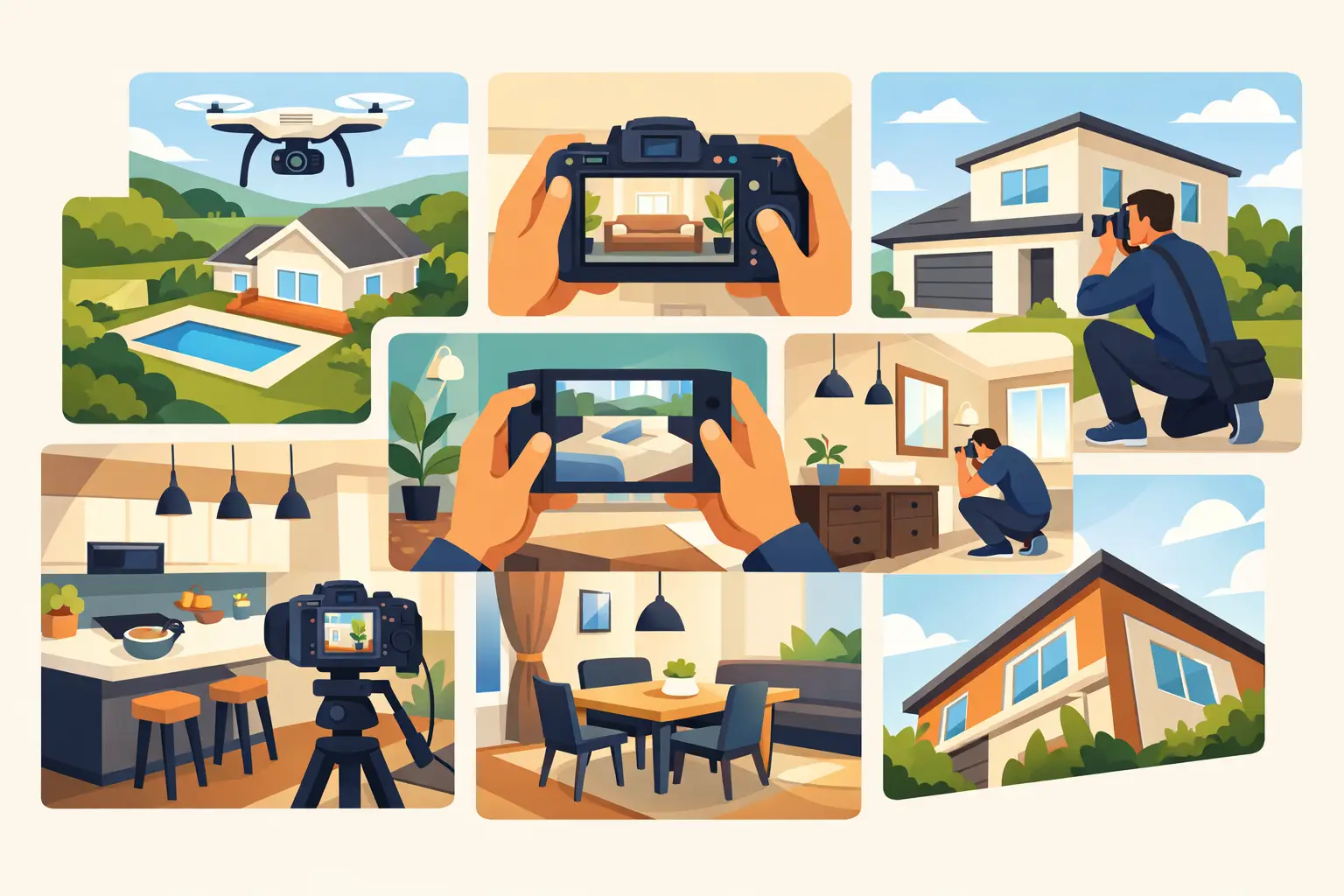
The difference between a listing that gets saved and a listing that gets skipped is often one photo taken from the wrong corner. Buyers decide fast. If your images feel cramped, tilted, or confusing, the home loses momentum before a showing is ever booked. That is why choosing the best camera angles for listing photos is not a small detail. It directly affects clicks, perceived value, and how seriously buyers take the property.
Good angles do more than make a room look nice. They help buyers understand layout, scale, and flow. For agents, that means stronger first impressions online and fewer wasted conversations with buyers who felt misled by the photos. The goal is not to make a home look bigger than it is. The goal is to make it look accurate, bright, and easy to walk through in your mind.
What the best camera angles for listing photos actually do
A strong listing photo angle answers a buyer’s first question without making them work for it. What does this room feel like? How does it connect to the next space? Is there enough natural light? Can I picture myself here?
The best angles create clarity. They show two walls when possible, reveal depth, and avoid flattening the room into a box. They also keep vertical lines straight so the home feels stable and professionally presented. That matters more than many agents realize. A crooked doorway or a wide-angle shot pushed too far can quietly signal low quality, even if the home itself is excellent.
There is always a trade-off. An angle that captures more square footage may hide the room’s best feature. An angle that highlights a fireplace may leave buyers confused about the layout. The right choice depends on what will sell the room fastest.
Start with the corner, but not every time
For most interior spaces, the safest starting point is shooting from a corner or just inside one. This usually shows two walls and gives the room dimension. Bedrooms look more balanced. Living rooms feel open. Kitchens make more sense when buyers can read the shape of the space in a single frame.
But corner shots are not automatically the best camera angles for listing photos in every room. In a narrow bathroom, a true corner angle can exaggerate distance and make fixtures look distorted. In a small office, backing into the corner may create too much dead foreground. Sometimes stepping a foot or two off the wall gives a cleaner result.
The rule is simple. Start with the corner for depth, then adjust for honesty and balance.
Keep the camera height consistent
Angle is not just where you stand. It is also where the camera sits. One of the most common mistakes in listing photography is shooting too high or too low. Too high, and furniture feels miniature. Too low, and counters, beds, and vanities dominate the frame in an awkward way.
For most residential interiors, chest height tends to work well. It keeps the perspective natural and helps lines stay believable. Kitchens and bathrooms may need slight adjustments depending on counter height and mirror placement, but dramatic changes usually hurt more than they help.
Consistency matters across the full gallery. If one room is photographed from eye level and the next is taken near waist level, the listing starts to feel uneven. Buyers may not know why it feels off, but they notice it.
Living rooms: show the flow, not just the furniture
The best living room photo usually comes from the angle that connects the room to the rest of the house. If the space opens to a kitchen, entry, or patio, show that relationship. Buyers want to understand how the home lives, not just where the sofa sits.
A common mistake is centering the shot on the TV wall or a staged coffee table. Those details matter less than windows, openness, and circulation. If the room has a fireplace, built-ins, or a strong view, work them into the composition without sacrificing the room’s shape.
In larger homes, one image is rarely enough. Use one wide establishing shot, then a second angle that highlights the feature buyers will remember.
Kitchens: lead with function and finish
Kitchens sell houses, but they also expose bad photography fast. The wrong angle can make a clean, updated kitchen feel chopped up. The right one makes the workspace, cabinetry, and finishes easy to understand in seconds.
In most kitchens, a diagonal angle across the room works better than a straight-on wall shot. It shows cabinet runs, island placement, and appliance relationships all at once. If the kitchen opens into a dining area or family room, include that connection in at least one frame. Open-concept homes depend on visual flow.
Be careful with islands. They are often the room’s anchor, but if the camera is too close, the island becomes oversized and blocks the rest of the kitchen. Back up when you can, and let the island support the image instead of taking it over.
Bedrooms: simple, straight, and calm
Bedrooms do not need dramatic angles. They need clean, reassuring ones. The best shot is often the one that shows the bed, windows, and enough floor area to communicate usable space.
A diagonal corner angle usually works, especially when the bed is the visual anchor. If possible, avoid shooting straight into the side of a bed or from a position that makes the room feel narrow. Secondary bedrooms especially benefit from angles that show floor space around the furniture. Buyers are trying to judge flexibility – nursery, guest room, office, or kid’s room.
Primary bedrooms deserve one extra thought. If there is a connection to a sitting area, luxury bath, or outdoor access, show it. That transition often carries more value than the bed wall itself.
Bathrooms: control distortion or skip the wide look
Bathrooms are where many photographers overuse wide lenses and bad angles. Yes, these rooms are tight. No, that does not mean every bathroom should look like a tunnel.
The best camera angles for listing photos in bathrooms usually come from the doorway or a slightly offset position that shows the vanity and shower relationship. Keep the camera level. Once vertical lines start leaning, the room feels warped.
If the bathroom is very small, focus on cleanliness, finish quality, and light instead of trying to show every inch in one frame. A well-composed vanity shot plus a second shower image can outperform one distorted wide shot that makes the room feel strange.
Exterior angles should sell approach and setting
Front exterior photos are not just record shots. They are the thumbnail that earns the click. The strongest angle is usually one that presents the front elevation with slight dimension rather than dead center flatness. A modest left or right shift helps buyers read the shape of the home, the yard, and the entry.
That said, the “best” exterior angle depends on the lot. If one side has a steep slope, parked cars, or a neighboring structure too close to frame, a straighter shot may feel cleaner. If the home has a covered porch or layered roofline, a slight angle usually adds value.
Rear exteriors matter too, especially when the backyard, deck, patio, or mountain view is part of the sale. In markets around Waynesboro and the Shenandoah Valley, setting can carry serious weight. If the property backs to trees, open land, or a ridge view, the angle should give that feature breathing room.
Common angle mistakes that cost clicks
Most bad listing images fail in predictable ways. The camera is tilted, so walls lean. The shot is taken from a doorway but includes too much door frame. The lens is pushed so wide that the room feels fake. Or the angle focuses on decor while ignoring layout.
Another issue is inconsistency. If the first ten photos in a listing jump between random positions and heights, buyers work harder to understand the home. Good photography reduces friction. It helps the buyer move room to room without confusion.
This is where process matters. Consistent angles, fast turnaround, and a room-by-room strategy produce better marketing than treating every image as a one-off.
When to break the rules
There are times when the standard angle is not the best one. A vaulted ceiling may justify a slightly higher camera position. A luxury bathroom with symmetrical finishes may look strongest from a centered shot. A breakfast nook with exceptional mountain light may deserve a tighter composition than the rest of the gallery.
The key is intention. Break the rule to highlight value, not because the room was hard to shoot. Buyers can tell the difference between a deliberate composition and a compromise.
For agents, this is why a dependable visual partner matters. You want media that helps the listing compete, not just media that checks the box. At Villa Views, that means shooting for results – more clicks, more showings, and a cleaner path to stronger offers.
The right angle makes a home easier to say yes to. When buyers can understand the space immediately, they are more likely to book the showing that moves everything forward.
Listing photos that sell homes faster.
Professional real estate media with 24-hour delivery across Waynesboro, Staunton, and the Shenandoah Valley.
Book a Shoot