Drone Video for Listings That Gets More Showings
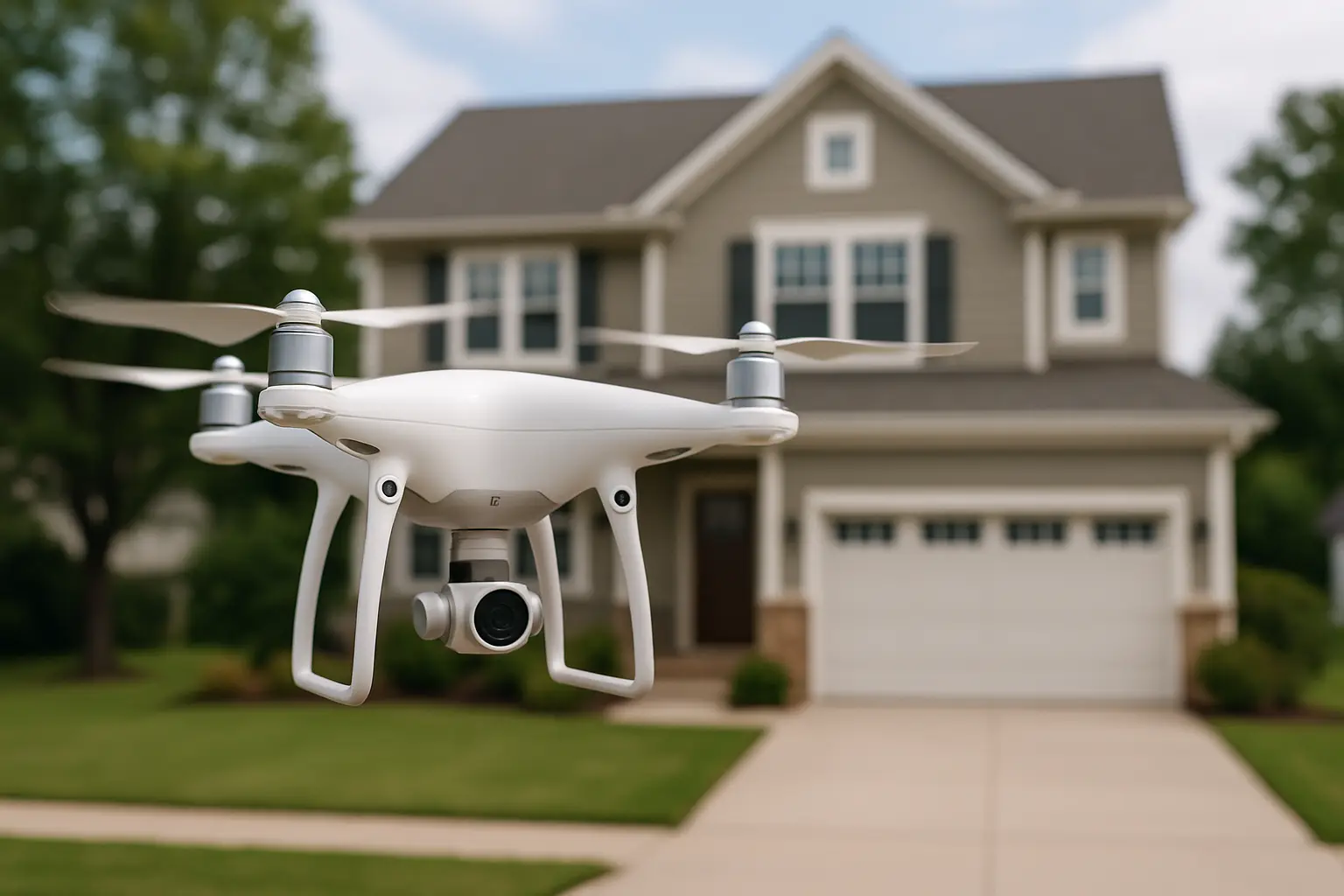
That farmhouse looks great from the driveway. Online, it can look like every other farmhouse.
Aerial video is what separates “nice house” from “this is the property.” When buyers scroll, they are making a decision fast: Is this worth a click, a save, a showing? Drone footage answers the questions they care about but cannot get from interior photos – how the home sits on the lot, what’s behind the tree line, how close the neighbors feel, and whether those “mountain views” are real.
If you’re listing in the Shenandoah Valley, Charlottesville, or anywhere with terrain, land, or lifestyle features, drone real estate video services are less about being flashy and more about being clear. Clarity creates confidence. Confidence creates showings.
What drone video actually sells (and what it doesn’t)
Drone footage performs best when the property has something that can’t be understood from the ground. Acreage, privacy, a long driveway, a pond, a detached shop, a pool, a corner lot, a tucked-away neighborhood, or a view corridor – these are all “aerial features.”
It also sells location in a way buyers trust. A clean, properly flown sequence can show proximity to downtown, the relationship to nearby roads (without making it feel like a negative), and the overall vibe of the community. For buyers relocating, that context can be the difference between “maybe” and “book it.”
What drone video doesn’t do on its own is fix a weak listing strategy. If the home needs staging, the interior light is poorly presented, or the pricing is out of range, aerials won’t save it. Think of drone as a credibility multiplier: when the core presentation is strong, it amplifies interest and pushes more people from online browsing to an in-person showing.
Why drone real estate video services drive performance
Most agents don’t need more content. They need content that moves metrics.
Drone video helps at the exact point where most listings win or lose: the first impression online. Buyers decide quickly whether to click through, watch longer, or move on. Aerial footage tends to increase watch time because it answers big-picture questions fast, and watch time is a proxy for interest.
It also upgrades your listing appointment story. When you can point to a repeatable marketing package that includes aerial coverage when it makes sense, you’re not just promising effort – you’re showing a plan. That helps you justify your fee and win the listing against agents who are still leading with “I’ll put it on the MLS and do an open house.”
There’s also a practical benefit that gets overlooked: drone reduces confusion. If the lot lines are unusual, the home is on a private road, the driveway is shared, or the property includes multiple structures, aerial video can show it cleanly before the showing. Fewer surprises means better-quality showings.
When drone video is worth it (and when it depends)
Aerial is a strong fit for land, views, and lifestyle properties – but it’s not automatically “required” for every address.
It’s almost always worth it when you’re marketing:
- Homes on 1+ acres where boundaries, privacy, or topography matter
- Properties with views, water features, pools, barns, shops, or multiple buildings
- New construction where neighborhood context helps
- Homes in subdivisions where corner lots, green space, or trails are a selling point
- Higher-price listings where buyers expect premium media
It depends when the home is in a tight neighborhood with no exterior differentiators. Drone can still add value, but the goal shifts: you’re using it for a clean establishing shot, roof condition visibility, and a quick sense of the setting.
It may be unnecessary when the property is a straightforward townhome or condo and the HOA environment doesn’t offer meaningful exterior context. In those cases, you’re often better off allocating budget to interiors, a Matterport tour, or twilight.
What a good drone listing video looks like
Buyers don’t want a cinematic short film. They want certainty.
A high-conversion aerial video is usually tight, purposeful, and easy to follow. It starts with an establishing angle that answers “where are we?” Then it moves through the property’s exterior story: approach, lot, rear elevation, key amenities, and any view that should be doing the heavy lifting.
Good drone work also looks controlled. Movement is smooth, horizons are level, and the home stays framed in a way that feels intentional. That matters because shaky, gimmicky flying doesn’t read as “premium.” It reads as “risky.”
Audio is another place where professionalism shows. Most listing aerial video is delivered with music and no live sound – and that’s fine. The key is keeping the pacing consistent and the edit clean so the property feels calm and confident.
Drone video vs. drone photos: the trade-off
Drone photos are often the fastest way to add aerial context. They’re ideal for MLS, print, and quick social posts because a single image can show the lot, roofline, and surroundings immediately.
Drone video gives you something different: a guided understanding of space. If the property has a long driveway, rolling acreage, a detached building set back in the trees, or a view that reveals itself as you rise, motion communicates it better than stills.
In practice, the best answer is often both, but budget and listing goals matter. If you’re choosing, use this filter:
If the key selling point is “what exists and where it is,” photos may cover it. If the key selling point is “how it feels and how it connects,” video tends to win.
Compliance and safety: what you should expect from a provider
Drone is not the place to cut corners. You’re flying near homes, roads, sometimes people, and often in areas with airspace considerations.
A professional provider should operate as a legitimate commercial drone pilot, not someone doing favors with a hobby drone. You should also expect them to make conservative decisions when conditions aren’t right. Wind, rain, and harsh midday light can all reduce quality, and certain airspace restrictions can require planning.
This is one of the reasons reliable scheduling and clear communication matter. When your media partner has a process, you spend less time managing logistics and more time doing the work that only you can do – pricing, negotiation, and client care.
How to plan a drone shoot that actually helps you sell
Drone video is most effective when it’s planned around the property’s buyer story.
Before the shoot, identify the one to three exterior “anchors” that justify the price. Is it the view? The privacy? The outbuilding? Walkability to downtown? Then make sure the flight path supports those anchors instead of capturing random angles.
Also consider timing. Golden hour is popular for a reason, but it’s not always necessary. For many listings, a bright, evenly lit day produces the cleanest look and the most accurate sense of the property. Twilight drone can be stunning, but it’s usually a premium choice best reserved for homes where evening ambience is part of the lifestyle pitch.
Finally, think about the buyer’s likely concerns and use aerial context to address them. If a road is nearby, a smart aerial angle can show separation and tree cover. If neighbors are close, you can show fencing, landscaping, and how the outdoor space is oriented.
Where drone video fits in a high-conversion media bundle
Drone is strongest when it’s part of an end-to-end presentation, not a one-off add-on.
Professional interior and exterior photos do the heavy lifting for clicks. Drone adds context and credibility. A 3D tour reduces friction for out-of-town buyers and increases showing quality. Floor plans help buyers self-qualify quickly. Twilight can create the emotional “save” moment for the right property.
When these pieces work together, you get a cleaner funnel: more qualified buyers spend more time with the listing, then the right buyers book showings, and your days-on-market story improves.
If you want a simple way to choose, prioritize the media that answers the biggest buyer questions first. For most listings, that’s photos. For land and view properties, drone jumps higher on the list. For homes with complex layouts or remote buyers, 3D and floor plans climb.
What agents in our markets should pay attention to
In places like Waynesboro, Staunton, Harrisonburg, Charlottesville, and Lexington, aerial isn’t just a luxury. It’s often the most honest way to show what buyers are actually purchasing.
Topography changes quickly. Views can be incredible from 20 feet up and nonexistent from the porch. Acreage can feel vast or oddly shaped depending on how it’s presented. And privacy is a major value driver – but only if buyers can see it.
Drone video also helps rural listings compete with “pretty interiors” in town. When you can show the land, the approach, and the lifestyle in a clean sequence, you stop competing on countertops alone.
Choosing the right partner for drone real estate video services
If you’re hiring drone video to get results, judge providers the same way you judge any listing vendor: consistency, speed, and predictability.
Look for a portfolio that matches your price points and property types. Ask what turnaround time looks like and how revisions are handled. Pay attention to whether the provider understands real estate pacing – not just how to fly a drone.
Most importantly, work with someone who treats your listing like a performance asset, not a creative experiment. When the goal is more clicks, more showings, and stronger offers, the visuals should be built to support that outcome.
If you want drone and the rest of your listing media handled as a repeatable, book-online workflow, Villa Views is built for agents who value speed, consistency, and marketing that helps you win.
A helpful closing thought: the best drone footage isn’t the shot that looks coolest – it’s the shot that makes a buyer say, “Now I get it,” and immediately schedule the showing.
Listing photos that sell homes faster.
Professional real estate media with 24-hour delivery across Waynesboro, Staunton, and the Shenandoah Valley.
Book a Shoot