
A Practical Guide to 3D Virtual Tours
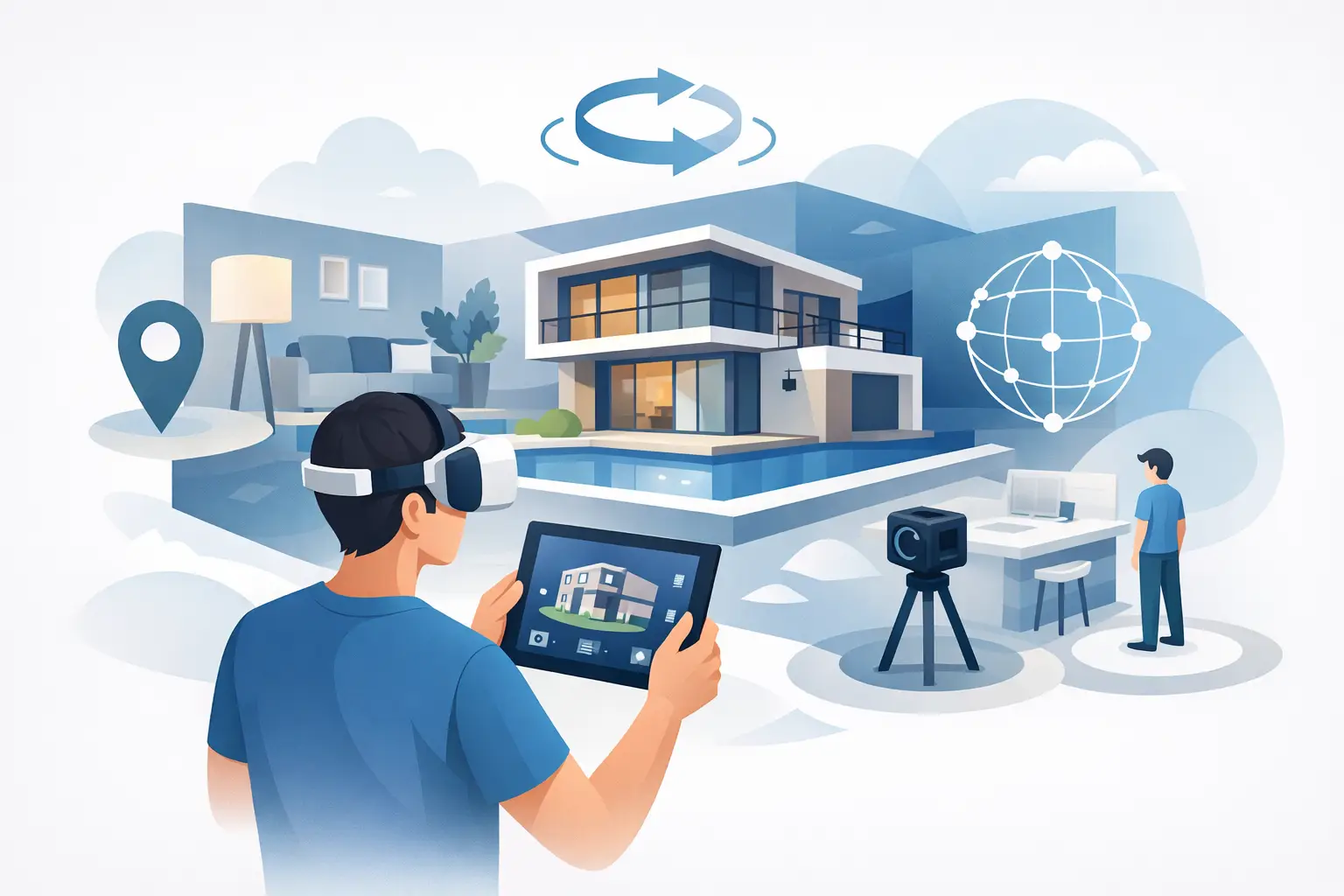
A buyer spends 20 seconds on one listing and three minutes on another. Same price range, same zip code, similar square footage. The difference is often presentation, and this guide to 3D virtual tours is built for agents who want that extra time, attention, and showing activity to work in their favor.
For working Realtors, a 3D tour is not a flashy add-on for luxury homes only. It is a practical sales tool. When used well, it helps buyers understand layout, keeps serious prospects engaged longer, and gives your listing a more polished, premium position online. That can lead to better qualified inquiries, stronger listing presentations, and fewer wasted showings.
What a 3D virtual tour actually does
Photos sell the feeling of a home. A 3D virtual tour sells the flow. Buyers can move room to room, understand how spaces connect, and answer key questions before they ever step inside.
That matters because layout confusion kills momentum. A kitchen may look great in still photos, but buyers still want to know whether it opens to the living room, how the stairs sit in the floor plan, or whether the primary suite feels tucked away or exposed. A tour removes guesswork.
For agents, that means better pre-showing qualification. People who book after viewing a 3D tour tend to have a clearer picture of the property. They are not showing up just to figure out the basics. They are showing up because the home already fits.
A guide to 3D virtual tours for listing agents
If you are deciding whether to add 3D tours to your media package, the right question is not “Is this nice to have?” It is “What job is this helping the listing do?”
On some properties, the answer is obvious. Homes with unusual layouts, split-level designs, additions, lower-level living space, or multiple entertaining areas benefit right away. The tour helps buyers connect the dots faster than photos alone.
On other listings, the value is more strategic. Even a straightforward three-bed, two-bath ranch can perform better when buyers can verify the layout on their own time. That added confidence can increase click depth and improve the quality of showing requests.
There is a branding benefit too. When your listings consistently launch with polished media, you look like an agent who invests in results. Sellers notice that in listing appointments. They may not ask for a 3D tour by name, but they understand the difference between basic marketing and a package built to attract action.
When 3D tours make the biggest impact
The strongest use cases usually come down to complexity, competition, and price point.
If a home has a layout that needs explanation, a 3D tour helps buyers make sense of it. If you are in a competitive price band where several similar homes are live at once, the tour can help your listing stand out and hold attention longer. If the property is priced at a level where presentation needs to support perceived value, a tour helps reinforce that premium impression.
That said, not every listing needs every service. A smaller entry-level home in a hot market may move quickly with strong photos, a floor plan, and clean pricing strategy. A 3D tour still adds value, but the return depends on your goals, timeline, and seller expectations.
How 3D virtual tours support clicks, showings, and offers
The biggest mistake agents make is treating visual media as decoration. Good media is performance marketing. It should help your listing earn more attention and move buyers closer to action.
A 3D tour supports clicks because it makes the listing feel more complete. Buyers scrolling fast can tell when a property offers more than the usual photo set. Once they land on the page, the tour keeps them engaged because they are actively exploring instead of passively swiping.
It supports showings because it filters casual curiosity from real intent. A buyer who spends time walking through the property online is further down the decision path than someone who only glanced at the first five photos.
And it can support offers by reducing uncertainty. Buyers are more confident when they understand the home before visiting. That confidence does not replace pricing, condition, or negotiation strategy, but it can improve the momentum around all three.
What to look for in a 3D virtual tour provider
Not all tours are equal, and busy agents usually feel that difference in the process before they see it in the final product.
First, look for operational reliability. A great-looking tour does not help much if booking is clunky, communication is vague, or delivery drags out past your launch window. In real estate, speed matters. Media should fit your listing timeline, not slow it down.
Second, pay attention to consistency. You want a provider who can deliver the same standard across a starter home, a move-up property, and a higher-end listing. If you are building a recognizable marketing brand, the experience needs to feel dependable from one address to the next.
Third, think in bundles, not silos. A 3D tour works best when it is part of a clean listing package that may also include photography, aerials, twilight images, virtual staging, or floor plans. The more coordinated the media, the easier it is to launch strong and avoid extra back-and-forth.
Questions worth asking before you book
Ask how long the appointment typically takes, what the seller should do to prepare, when the tour will be delivered, and how the final assets fit into your broader listing workflow. Also ask whether the provider understands residential sales, not just camera work.
That last point matters. A real estate-focused media partner knows the goal is not simply to document rooms. The goal is to help the property present clearly online and generate buyer action.
How to prepare a home for the best result
A 3D tour captures more than isolated angles. It captures continuity. That means visual clutter, unfinished details, and inconsistent staging become more obvious because the buyer can move through the home naturally.
Preparation should focus on flow. Clear surfaces, open interior doors where appropriate, consistent lighting, made beds, hidden cords, and tidy transitions between rooms all improve the final result. If one room looks polished and the next looks half-finished, the contrast shows up quickly.
Sellers should also understand that a 3D tour is not forgiving in the same way selective photography can be. With still images, a photographer can emphasize strengths and minimize distractions. A tour gives a more complete view. That honesty is useful for qualifying buyers, but it also raises the bar on prep.
Common objections agents hear – and how to think about them
Some sellers worry that a 3D tour gives away too much before a showing. In practice, serious buyers usually appreciate clarity. If someone loses interest after seeing the real layout, that saved everyone time.
Others worry about cost. That is fair. Every listing has a budget, and not every service belongs on every property. But the better way to judge value is to ask whether the tour improves the listing enough to help generate stronger activity, support your brand, or win the client in the first place.
There is also the question of market pace. In a fast market, you may hear that homes sell so quickly that extra media is unnecessary. Sometimes that is true. But fast markets still reward strong presentation, and sellers still compare agents based on marketing quality. The homes may move, but the agent who markets better often wins more business.
What features matter most by listing type
Not every listing needs the same emphasis. A compact starter home may benefit most from clean navigation and a floor plan that proves smart use of space. A larger property may need the tour to clarify level changes, guest areas, or outdoor connections. A renovated home may gain more from crisp image quality and callouts that spotlight upgrades.
It also depends on buyer pool. In markets like Waynesboro, Staunton, Harrisonburg, and Charlottesville, virtual tours can be especially helpful for relocation buyers and anyone trying to narrow options before making the drive. Those buyers need clear information fast. If the tour answers the big questions upfront, the showing is more likely to happen.
A smart guide to 3D virtual tours starts with strategy
The best agents do not add services just to check a box. They choose media based on what will help the listing perform. A 3D virtual tour makes the most sense when you want buyers to understand the home faster, stay engaged longer, and arrive at showings with stronger intent.
For many listings, that is enough reason to include it. In markets like Waynesboro, Staunton, Harrisonburg, and Charlottesville, where presentation can shape both buyer response and seller confidence, that extra layer of clarity can give your listing a real edge.
If you want your marketing to do more than look good, treat every media decision like part of the sales strategy. The right tour does not just show a house. It helps move the right buyer one step closer to saying yes.
Listing photos that sell homes faster.
Professional real estate media with 24-hour delivery across Waynesboro, Staunton, and the Shenandoah Valley.
Book a Shoot