
Occupied Home Photo Prep That Gets Results
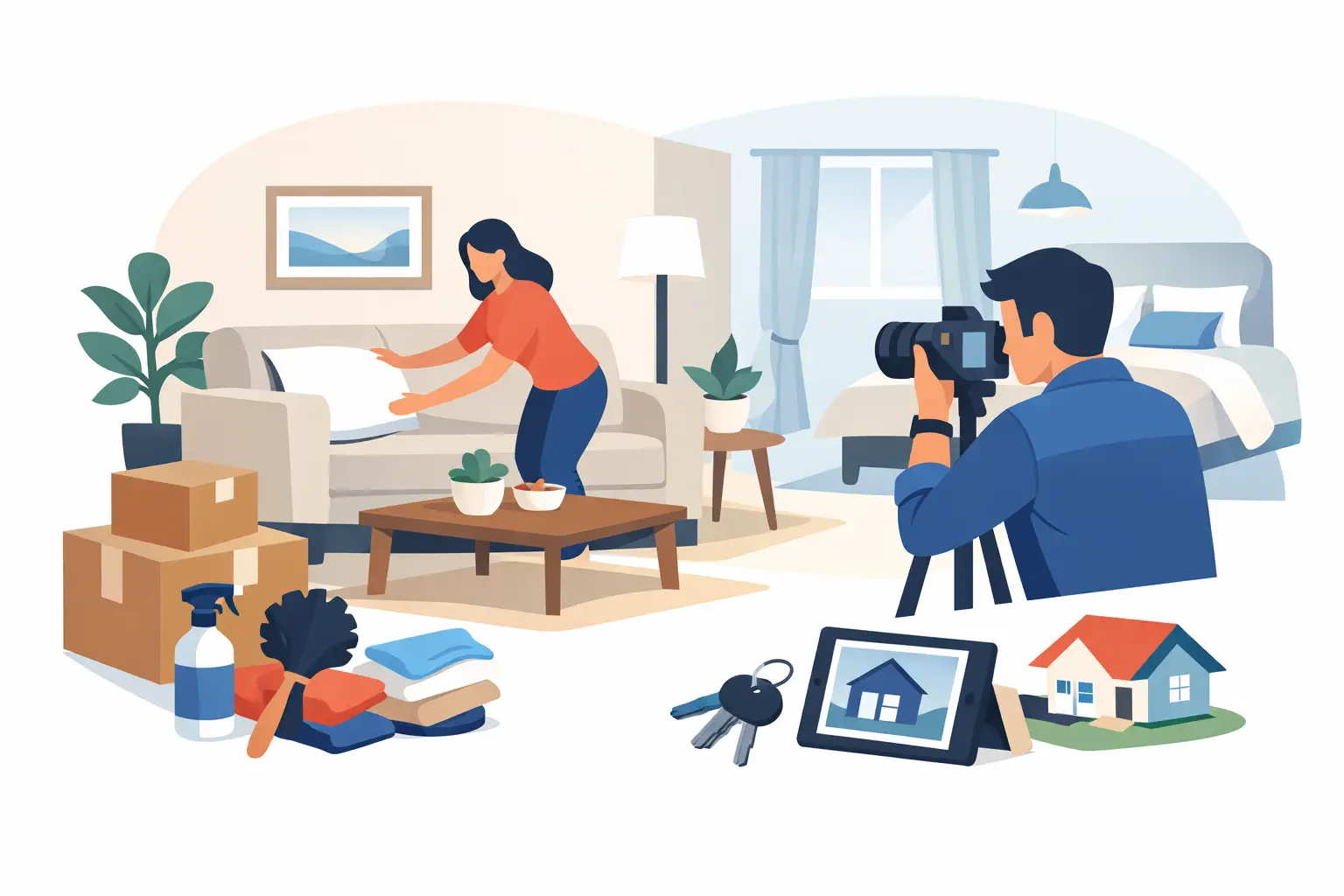
The hardest listings to photograph are not the vacant ones or even the dark ones. It is the occupied home where everyone swears they are “basically ready” until the camera comes out and there is a dog bed in the foyer, shampoo bottles in every shower, and a refrigerator covered in school papers.
That does not mean occupied listings are a problem. It means they need a tighter process.
If you want better listing photos, fewer delays, and less back-and-forth on shoot day, occupied home photo session preparation has to start before the appointment is on the calendar. The goal is simple: create a home that looks clean, spacious, and easy for buyers to picture as their next move, without making the seller feel like they are being asked to stage a model home for a week.
Why occupied home photo session preparation matters
Occupied homes can absolutely photograph well. In many cases, they feel warmer and more believable than vacant spaces. But they also come with friction. Everyday life leaves traces everywhere, and cameras are ruthless about finding them.
A room can feel fine in person and still look crowded in photos. A kitchen that seems tidy enough at a glance can read as busy once every soap bottle, drying rack, and magnet is frozen in a high-resolution image. That gap is what hurts listing performance.
Strong photos get attention first. They help generate clicks, which lead to showing requests, which create leverage for stronger offers. Weak photos do the opposite. They make a home feel smaller, older, or harder to maintain than it really is. For agents, that can mean a listing that takes more effort to sell than it should.
Start with seller expectations, not the camera
The best shoot days happen when the seller knows what “photo ready” actually means. Not “clean enough for company.” Not “we picked up this morning.” Photo ready means surfaces are mostly clear, floors are visible, cords are hidden, and personal items are reduced enough that the buyer sees the home instead of the current owner’s routine.
This is where many agents lose time. If prep guidance is vague, sellers fill in the blanks with their own standards. Then the photographer arrives and the home still needs 30 to 60 minutes of correction. That slows everything down and creates stress before the first image is made.
A simple prep conversation solves most of that. Set the expectation that photography is marketing, not documentation. The home does not need to be perfect forever, but it does need to be optimized for the hour it is being photographed.
Focus on what the camera exaggerates
Not every flaw matters equally. In occupied homes, certain items consistently pull attention and make a room feel cluttered faster than sellers expect.
Kitchens are first on the list. Clear counters as much as possible. One tasteful appliance is fine if it fits the space, but multiple small appliances, dish soap, towels, and paper clutter stack visual noise quickly. Refrigerator doors should be cleared completely unless the home style truly supports a lived-in, high-character look and the listing strategy calls for it. Most of the time, clean wins.
Bathrooms need a near reset. Remove toothbrushes, razors, shampoo bottles, bath mats if they look tired, and anything stored on the back of the toilet. Buyers read bathrooms fast. The cleaner and simpler they look, the newer and better maintained the home feels.
Bedrooms often fail on scale. Too much furniture, laundry baskets, visible storage bins, and oversized personal décor make them look smaller. If one or two pieces can be temporarily removed, it is often worth it.
Living rooms tend to suffer from excess accessories. Remote controls, charging cables, pet toys, throws, and side table clutter add up. The room should look usable, but not busy.
Decluttering is not depersonalizing completely
Sellers sometimes hear “remove personal items” and assume the house has to feel cold. That is not the point. The point is reducing distraction.
A few neutral décor pieces, neatly styled shelves, and well-placed furniture can help a home feel inviting. Family photos in every room, bold niche collectibles, and highly specific personal items make it harder for buyers to project themselves into the space.
There is a trade-off here. Some occupied homes benefit from a bit of warmth and personality, especially in markets where buyers respond well to homes that feel cared for and established. But personality should support the room, not dominate it. If an item would be the first thing a buyer comments on, it may be too strong for listing media.
Build a room-by-room prep plan
The easiest way to improve occupied home photo session preparation is to keep it concrete. Broad advice gets ignored. Room-by-room direction gets done.
Ask sellers to start with the spaces buyers care about most: front exterior, kitchen, living room, primary bedroom, primary bathroom, and any space that helps justify price, such as a finished basement, home office, or updated outdoor area. If time is short, those spaces deserve attention first.
From there, focus on three actions in every room: remove what is not needed, store what is too personal, and simplify what remains. That formula works better than asking someone to “stage” the house if they are not working with a stager.
It also helps to tell sellers what not to worry about. Closets do not always need to be photographed. Utility spaces matter less unless they are unusually clean or upgraded. Perfection in low-value areas is not where you win more showings.
Plan for pets, people, and timing
Occupied homes are not just about objects. They are about movement.
Pets should be secured before the appointment starts and any bowls, crates, litter boxes, or beds in key rooms should be moved if possible. Even the friendliest dog creates delays when room-to-room access is needed. Cats are especially good at appearing in the exact frame you do not want them in.
People matter just as much. If children are home during the shoot, prep gets harder and stress rises. If the seller can step out with kids and pets for the appointment, the session usually moves faster and the final product is stronger. If they cannot leave, set expectations early that certain rooms may need to be photographed in a specific order.
Timing also affects outcomes. Midday appointments often work best for interiors, but occupied homes sometimes need a slot that matches family logistics rather than ideal light. That is fine, as long as everyone understands that prep quality usually matters more than chasing a perfect hour.
On shoot day, small details decide the final look
This is where experienced photographers save agents time. A good photographer will make minor adjustments on site, straighten chairs, align pillows, or move a trash can out of frame. But shoot day should be for refinement, not rescue.
If the sink is full of dishes, blinds are uneven throughout the house, and half the rooms still hold moving boxes or laundry, the session becomes a cleanup project. That usually means fewer angles, more pressure, and a weaker result.
Good occupied-home prep also protects the seller experience. Nobody wants to feel corrected in their own house for an hour. Clear prep ahead of time prevents that tension and keeps the appointment professional.
For agents juggling multiple listings, this is where consistency pays off. When you use the same prep standard every time, your listings look more polished across the board. That strengthens your brand, not just that one property.
When “good enough” is actually good enough
Not every occupied listing needs full staging-level preparation. Price point, property condition, and likely buyer pool all matter.
If the home is entry-level and expected to move quickly based on location and inventory pressure, you may only need clean, bright, uncluttered rooms with basic styling. If the home is aiming for top-of-market positioning, details matter more. In that case, tighter prep, better styling, and possibly add-ons like twilight or floor plans can help support a stronger presentation.
The right standard is the one that matches the listing strategy. Over-prepping a modest property can waste time. Under-prepping a premium listing can cost attention where it matters most.
Make prep part of your listing system
The agents who get the best results from occupied listings do not improvise. They build prep into their workflow from day one.
That means discussing photography early, sharing a clear checklist before the appointment, confirming expectations the day before, and choosing a visual marketing partner who can work efficiently without constant hand-holding. In busy markets like Waynesboro and the surrounding Shenandoah Valley, speed matters, but speed without prep usually creates rework.
If you want listing media that drives clicks and showing activity, treat occupied-home prep as part of the sales process, not a side task. One clean, well-managed photo session can do more for perceived value than a week of price-defense after the listing goes live.
A seller does not need to live in a magazine. They just need the home to pause everyday life long enough for buyers to see its value clearly.
Listing photos that sell homes faster.
Professional real estate media with 24-hour delivery across Waynesboro, Staunton, and the Shenandoah Valley.
Book a Shoot