
Real Estate Videography That Gets Showings
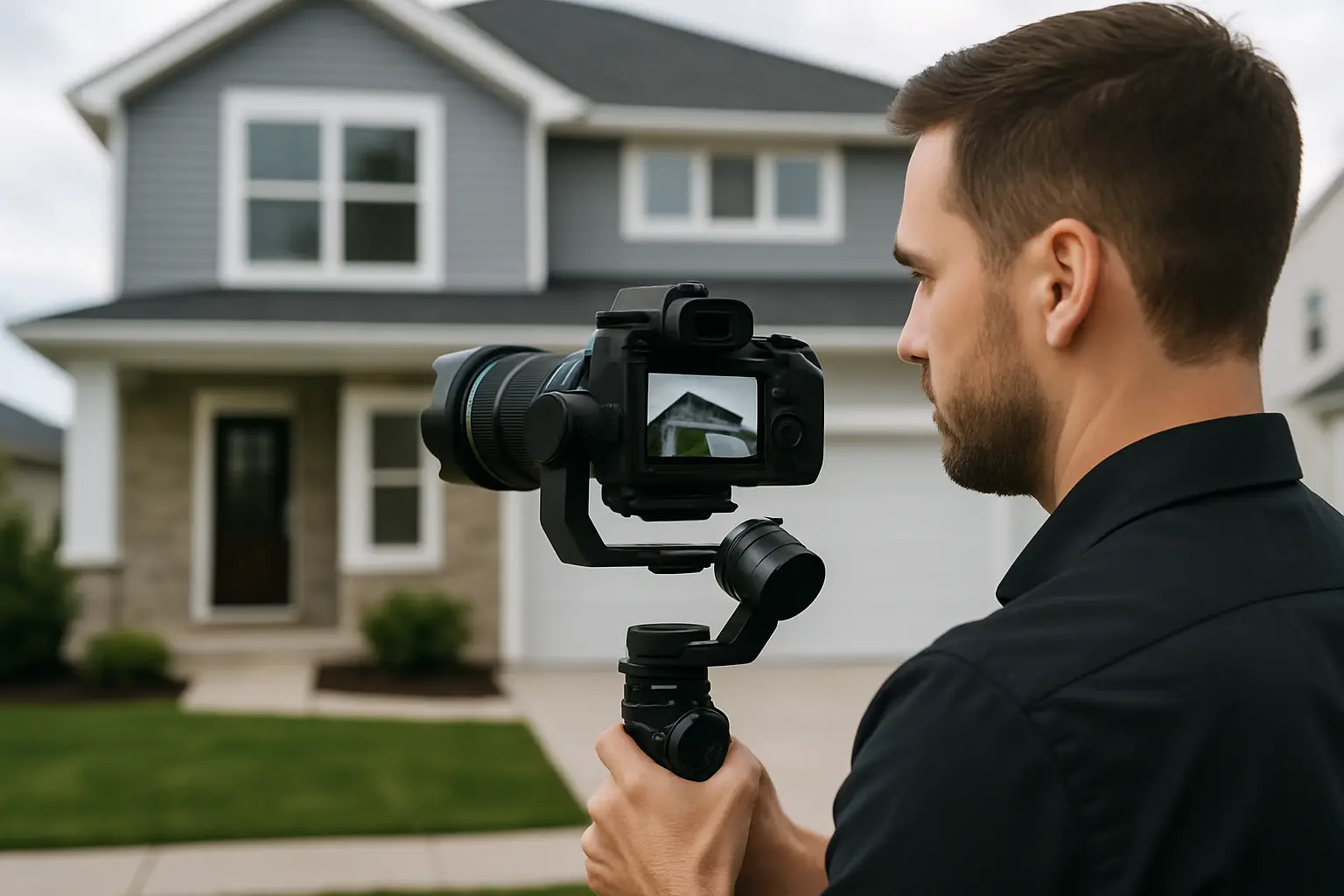
The fastest way to lose a buyer online is to make them work. If your listing photos are solid but people still bounce after a few seconds, it is usually because they cannot feel the layout, the flow, or the lifestyle fast enough. That is where real estate videography earns its keep – not as “extra marketing,” but as a conversion tool that keeps attention long enough to create intent.
A good listing video does one thing exceptionally well: it reduces uncertainty. Buyers click because the home looks promising, then they decide whether it is worth a showing. Video helps them answer the questions that photos cannot: How do the rooms connect? Does the kitchen feel open to the living area? Is the primary suite actually separated from the secondary bedrooms? How bright is the space in motion, not just in a perfectly framed still?
Why real estate videography performs when photos plateau
Photos sell features. Video sells continuity.
When someone scrolls through stills, they are building a mental map from fragments. The more complicated the home (split levels, open-concept transitions, finished basements, additions), the harder that map is to build. Video stitches the story together in seconds. Done right, it cuts the “Is this going to be weird in person?” doubt that stops clicks from turning into appointments.
There is also a practical platform reality: social feeds reward motion. You can have beautiful photography and still get less reach on Instagram Reels, Facebook, or YouTube Shorts if you never publish video. If you are competing for the same pool of buyers in Waynesboro, Staunton, Harrisonburg, Charlottesville, or Lexington, video is often the difference between being seen and being skipped.
The trade-off is that bad video can hurt you faster than bad photos. Shaky movement, blown-out windows, choppy pacing, or awkward angles make a home feel smaller and cheaper. Videography is not “press record and walk around.” It is a controlled shoot with a plan.
What a high-conversion listing video actually includes
A converting video is built on clarity, not cinematics. The goal is not to win a film festival. The goal is more clicks, more showings, and stronger offers because the buyer walks in already sold on the layout.
A clean opening that earns the next 10 seconds
Your first shots should remove friction: exterior context, a confident entry moment, and a clear signal of style. The best openings do not waste time with long driveway footage or slow pans of trees unless those are true selling points.
Movement that matches the home
Wide-open homes can handle smoother, longer passes that show scale. Smaller homes need tighter, faster sequencing that avoids lingering on less flattering areas. A smart video makes a 1,400-square-foot home feel efficient and welcoming, not cramped.
A layout-first path, not a room checklist
Buyers do not experience homes as isolated rooms. They experience transitions: foyer to living, living to kitchen, kitchen to deck, hall to bedrooms. A good video route mirrors how someone will tour in person, so the showing feels familiar.
Window control and color consistency
If the windows are pure white and the interior shifts warm to cool shot-by-shot, the home feels inconsistent. Strong videography manages dynamic range so buyers can see views and interior detail at the same time, and it keeps color stable so the house reads as clean.
Pacing that respects attention
Most listing videos perform best when they are tight. That does not mean rushed. It means every shot earns its spot. If a feature is not a selling point, it should not get screen time.
What to film (and what to skip) for different listing types
The right video plan depends on price point, property style, and how buyers in your market shop.
For entry-level and mid-market listings, the winning formula is usually a concise walkthrough that nails layout and condition. Buyers are comparing dozens of options quickly. You want them to understand the home in under a minute, then click “schedule.”
For higher-end homes, land-heavy properties, or anything with a strong setting, you often need more context. Outdoor living, views, privacy, and approach matter. The video should still be disciplined, but you can justify longer runtime when the lifestyle is the product.
For investor properties, the priorities change again. Video can focus on bones, space, and upside. You do not need romance. You need clarity: room sizes, basement condition, mechanicals if relevant, and lot use.
The common mistake is filming everything the same way. A cookie-cutter approach can make a special home feel generic, or it can make a practical home feel overproduced and suspicious. Buyers can sense when the video is trying too hard.
Drone video: when it helps and when it is just noise
Aerial footage is powerful when it communicates something a ground camera cannot.
If the lot lines, views, frontage, neighborhood spacing, or proximity to amenities are real selling points, drone video can answer questions buyers will otherwise ask during a showing. It can also establish scale for larger homes and show how outdoor features connect: pool, patio, detached garage, barn, or trails.
If you are in a tight subdivision with minimal yard separation, drone can become filler fast. The buyer sees rooftops and loses interest. In those cases, a strong interior walkthrough and a short exterior sequence usually outperform.
There is also a compliance and safety layer. Drone work requires proper operation, planning, and respect for airspace. When it is done professionally, it feels effortless. When it is not, it looks risky – and that is not the impression you want attached to your listing.
Matterport and video: not either-or
Some agents treat 3D tours and video as substitutes. They are better as complements because they solve different problems.
Video creates emotion and momentum. It is the sales trailer.
A 3D tour creates confidence and self-qualification. It is the inspection tool buyers use when they are serious and want to measure flow, peek around corners, or revisit a space at 11 pm.
If you sell homes where out-of-town buyers are common (college-related moves, relocations, second-home shoppers), pairing a walkthrough video with a 3D tour can reduce tire-kickers and increase the quality of showings. People arrive already aligned on layout, which is where many deals either strengthen or fall apart.
Editing choices that influence perceived value
Buyers may not know why a video feels “premium,” but they react to it.
Music, for example, is not just vibe. It affects pace. If the track is too slow, the home feels boring. If it is too aggressive, it feels like an ad. The best choice is confident and neutral, supporting motion without stealing attention.
Transitions matter too. Fancy effects are rarely helpful in real estate videography. Clean cuts and consistent movement usually win because they keep the viewer oriented.
Text overlays can help if they are minimal and factual: square footage, bed/bath count, a standout feature like “new roof 2023,” or “walk to downtown.” Too much text turns the video into a slideshow and distracts from the home.
And yes, color grading matters – but only to the point of honesty. Oversaturated greens and overly warm interiors can make a showing feel like bait-and-switch. The goal is attractive and accurate.
The pre-shoot prep that makes video look expensive
Video punishes clutter more than photos do because it reveals angles and surfaces in sequence. A few practical prep choices can raise the perceived value of the entire home.
Start by clearing countertops and removing floor-level distractions (pet bowls, bathroom trash cans, extra rugs that bunch). Replace burned-out bulbs and set lights to a consistent color temperature when possible. Open blinds where the view is a selling point, but be strategic – if the view is a neighbor’s wall, diffused light may be better than full exposure.
The “it depends” factor is staging. For lived-in homes, light staging or simple styling often produces the best return. For vacant listings, virtual staging can help photos, but video still needs real-world cleanliness and intentional framing. If a space is empty and echo-y, a tight, confident walkthrough can keep it from feeling cold.
How agents can use video to win the listing, not just market it
Real estate videography is not only for buyers. It is also one of the clearest ways to demonstrate your marketing plan in a listing appointment.
When you show a seller a video example, you are not pitching “a video.” You are pitching a process: attract attention online, keep people engaged long enough to understand the home, and drive action. That is easier for a homeowner to grasp than a list of deliverables.
It also positions you as the agent who invests in presentation. In competitive neighborhoods, that can be the difference between winning the signature and watching the listing go to someone else who promised a lower commission but offered basic marketing.
Choosing a videography partner: what to ask
If you want consistent results, ask questions that reveal operational reliability, not just camera talent.
Ask about turnaround time and how delivery works. Ask how reschedules are handled when weather shifts. Ask whether the videographer follows a repeatable shot plan or improvises on site. Ask how they handle mixed lighting and bright windows. Ask what kind of guidance they provide for prep.
Most importantly, ask to see videos of homes similar to yours in size and style. A portfolio full of luxury estates does not automatically mean they can make a modest ranch feel bright, clean, and desirable.
If you want a local, performance-minded option that pairs video with photography, aerials, and 3D tours under a simple booking workflow, Villa Views is built for agents who care about speed, consistency, and results.
The bottom line: video should earn its spot in your package
If video is just “nice to have,” it will get cut the moment a seller pushes back on budget. But when you treat it as a conversion asset – something that increases engagement, reduces uncertainty, and improves showing quality – it becomes one of the easiest upgrades to justify.
A good listing video does not need hype. It needs a clear plan, clean execution, and editing that respects the buyer’s time. Make it easy for someone to picture living there, and they will do the next thing you want them to do: book the showing.
Listing photos that sell homes faster.
Professional real estate media with 24-hour delivery across Waynesboro, Staunton, and the Shenandoah Valley.
Book a Shoot