
Matterport 3D Tours That Get More Showings
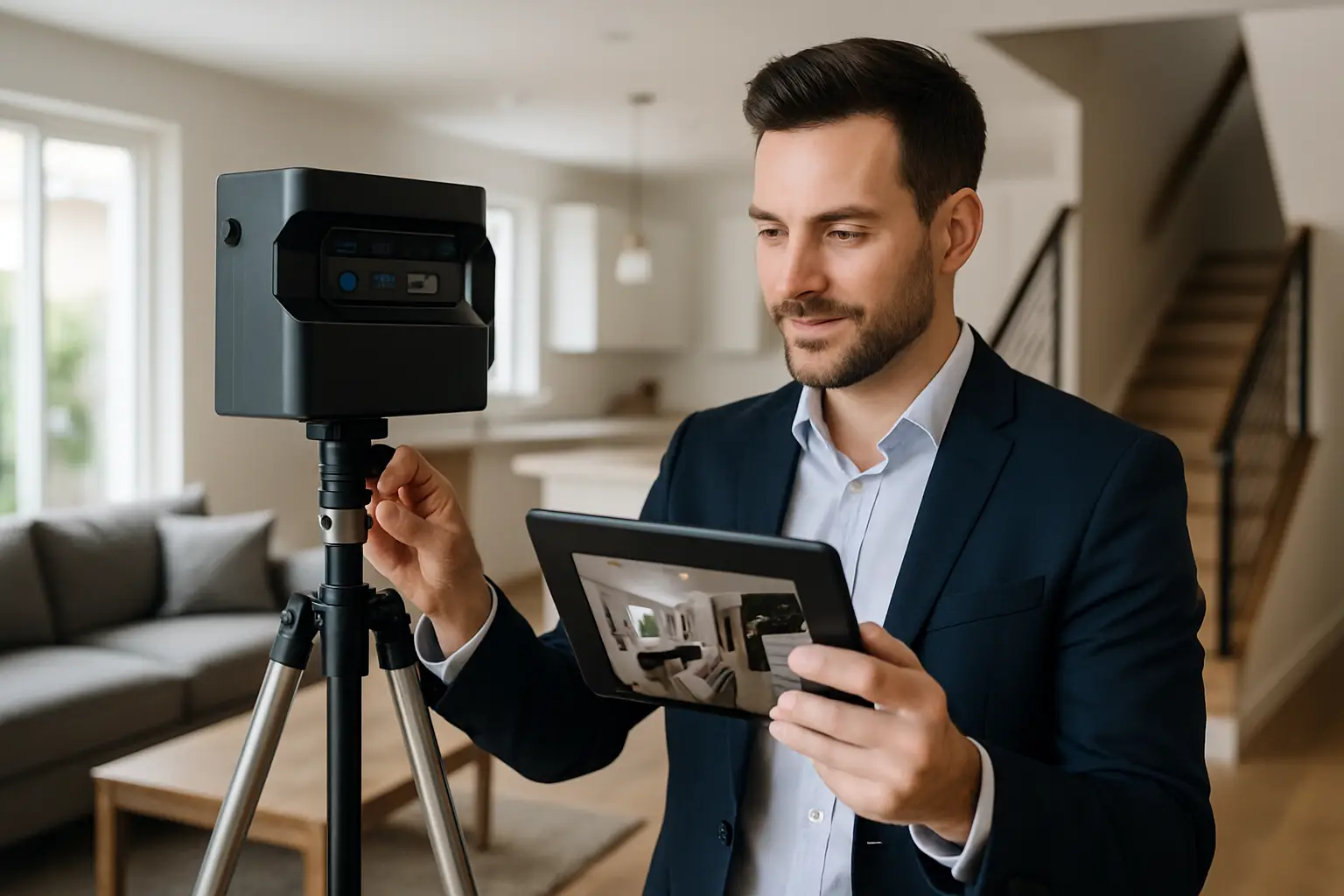
That moment when a buyer says, “We can’t see it until Saturday,” is where listings either lose momentum or gain it. If your photos are strong but attention still drops off after day one, the problem often is not image quality – it’s confidence. Buyers hesitate when they can’t understand the layout, the flow, and what the home feels like.
A Matterport 3D tour for real estate solves that specific problem. It turns “I’m not sure” into “Okay, I get it,” and that shift is what drives showings, reduces time-wasting questions, and helps your listing feel more legitimate the second it hits the MLS.
What a Matterport 3D tour really does for a listing
Matterport is not just a 360 spin. It’s a true spatial capture that lets buyers move room to room, look around naturally, and understand how the home connects. When it’s done well, it answers the biggest question online shoppers have: “Will this house work for my life?”
Photos sell features. A 3D tour sells structure. It gives buyers the ability to self-qualify before they ever request a showing. That sounds like it might reduce showings, but in practice it usually improves the quality of showings. You get fewer “just curious” visits and more appointments from people who already know the floor plan works.
There’s also a subtle brand benefit. In a competitive market, buyers and sellers associate immersive marketing with a more professional listing process. In a listing appointment, a 3D tour is easy to position as part of your system – not a special favor you do sometimes.
When a Matterport 3D tour for real estate is worth it (and when it’s not)
This is where agents get tripped up. Matterport is not a magic add-on for every home, and it can be a waste if you use it blindly.
It tends to be a strong choice when layout matters as much as finishes. Think split-levels, multi-levels, homes with additions, finished basements, bonus rooms, or any property where buyers struggle to understand how spaces connect from photos alone. It also shines when you expect out-of-town interest – relocations, second-home buyers, investors, or families trying to coordinate showings around school and work.
It’s also a smart play when the home is likely to get heavy online traffic. If you’re running social ads, doing email blasts, or pushing the listing hard on digital channels, the tour gives people a reason to stay longer and engage deeper.
On the other hand, if the home is truly entry-level and will sell based on price and location alone, Matterport may not move the needle enough to justify it. The same is true if the property is extremely cluttered, under construction, or not ready to be shown. A 3D tour captures everything – that’s the point – so you want the home to be genuinely ready.
The most important “it depends” factor is your strategy. If you want to reduce friction for buyers and help them make a faster decision, a tour supports that. If your market is so constrained that buyers will show up regardless, you may choose to spend the budget elsewhere, like twilight or aerial.
Why 3D tours drive clicks, showings, and offers
Real estate marketing is mostly about reducing uncertainty. Buyers hesitate when they don’t understand scale, flow, or what’s around the corner. That hesitation turns into scrolling past your listing, delaying a showing, or waiting for a different home that feels easier to evaluate.
A good 3D tour reduces uncertainty in three ways.
First, it gives control. Buyers can explore at their pace. That’s especially important for couples or families who are not aligned yet – one person can walk the tour, then share it and say, “Look at the kitchen and how it connects to the deck.”
Second, it supports the story your photos started. Photos create emotion and highlight upgrades. The tour confirms those upgrades are in the right context. That combination is what pushes someone from “nice pics” to “we need to see this.”
Third, it helps your listing compete when the home is hard to describe in a sentence. Some houses just don’t fit a neat box. The tour lets the property speak for itself.
What to expect from the process
Most of the value comes from consistency and capture quality. You want straight lines, correct exposure, and clean navigation so the tour feels effortless. When the capture is rushed or the home is not prepped, you end up with a tour that buyers quit after 20 seconds.
A smooth process looks like this: the home is staged or at least decluttered, lights are on, doors are positioned intentionally, and the agent has already decided which areas should be included. That last point matters. Sometimes you do not need every storage room, unfinished mechanical space, or awkward closet. Your goal is clarity and confidence, not “every square inch forever.”
Turnaround is another practical factor. A 3D tour is most powerful when it launches with your photos, not days later after the first wave of interest has already passed.
How to use a Matterport tour to win listing appointments
Sellers do not hire photographers. They hire agents who can prove they will get attention and convert it into offers. A 3D tour is one of the simplest ways to demonstrate that you market differently, because it’s instantly understood.
In a listing appointment, don’t position it as “cool tech.” Position it as a conversion tool. Explain that it helps serious buyers qualify quickly, supports out-of-town traffic, and reduces uncertainty about layout – which is one of the biggest reasons buyers delay showings.
If you want the strongest impact, show examples on your phone and talk about the result you’re after: more clicks, longer time on listing, and more confident showing requests. Sellers care about activity. They want to feel momentum. A tour helps you create that feeling.
How to deploy the tour so it actually gets used
The tour is only valuable if people see it. That sounds obvious, but plenty of agents pay for a tour and then bury it.
Make sure it’s featured where buyers are already paying attention – the MLS virtual tour field, your property website if you use one, your email marketing, and your social posts. When you share it on social, lead with a benefit, not a feature. “Walk the home before you schedule a showing” will outperform “3D tour available.”
Also, coordinate it with your photo launch. If you’re building hype for a new listing, post photos first to stop the scroll, then use the tour as the follow-up that deepens engagement.
Common mistakes that weaken 3D tour performance
The biggest mistake is skipping prep. A 3D tour makes a home feel real, which is great – unless “real” means laundry piles, counter clutter, and half-open doors. The more immersive the media, the more buyers notice what’s off.
Another mistake is capturing spaces that create doubt. If an area is unfinished, unsafe, or not intended for use, including it can invite negative assumptions. Sometimes it’s better to keep the tour focused on finished, functional spaces and let the rest be addressed during a showing or inspection context.
Finally, don’t treat Matterport as a substitute for photography. The highest-performing listings still rely on strong photos to create the first emotional hit. The tour is what confirms the decision.
Pricing and ROI: the agent math that matters
Agents typically evaluate media by asking, “Will this help it sell?” That’s the wrong question because almost any decent listing will sell eventually. The better question is: “Will this help it sell faster, with fewer price reductions, and with more competition?”
A Matterport tour’s ROI shows up in small but meaningful ways: fewer layout questions, fewer low-intent showings, more confidence from relocation buyers, and a marketing package that feels premium in your listing presentation. Even when the tour doesn’t directly create an offer, it can protect your days on market by keeping interest higher during that critical first week.
Where ROI gets fuzzy is when the home is not ready or the agent doesn’t distribute the tour. If you know you won’t have time to market it, you’re better off putting the budget into media you will actually push.
Choosing the right provider
Matterport quality varies more than most agents expect. The difference is rarely the camera – it’s the operator. You want someone who understands how buyers move through a home, captures clean transitions, and delivers quickly enough that you can launch on schedule.
You also want a vendor who is easy to book and consistent across listings. When you’re juggling inspections, staging, sign installs, and seller schedules, the last thing you need is a media partner who requires five emails to confirm a time.
If you’re marketing listings in the Shenandoah Valley and want a predictable, performance-driven workflow, Villa Views is built around exactly that: fast turnaround, clear online booking, and listing media designed to earn more clicks and convert them into showings.
The practical bottom line
If your photos create interest, a 3D tour creates commitment. Use it when layout, distance, or buyer hesitation is likely to slow momentum – and skip it when the home is not ready or the budget is better spent on the first-touch media.
The best part is you don’t need to convince buyers to love the technology. You just need to make it easier for them to say yes to the showing.
Listing photos that sell homes faster.
Professional real estate media with 24-hour delivery across Waynesboro, Staunton, and the Shenandoah Valley.
Book a Shoot