
Can Sellers Stay During Photography? A Clear Answer
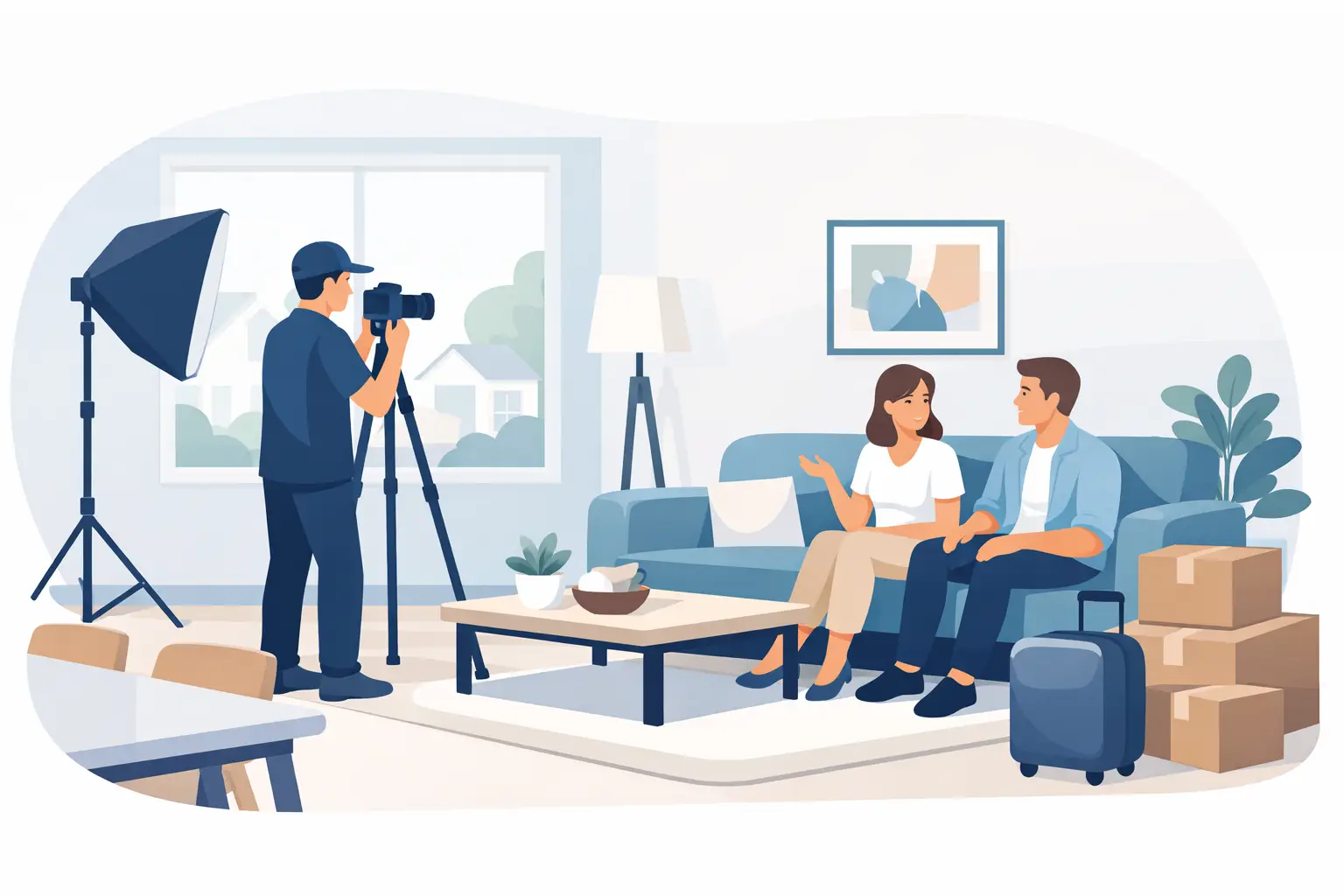
A homeowner is working at the kitchen table, a child is napping upstairs, the dog is anxious around strangers, and the photographer is due in 20 minutes. Can sellers stay during photography? Yes, they can. But for most occupied listings, the better plan is for sellers to leave before the appointment begins.
This is not about making homeowners feel unwelcome in their own house. It is about giving their property the best chance to look clean, spacious, and ready for a buyer’s attention. Professional listing media is built to earn the click, support more showings, and reinforce the price and positioning you presented at the listing appointment. Small distractions can work against all three.
The strongest approach is simple: set expectations early, offer a practical plan, and make an exception when the seller genuinely needs one.
Can Sellers Stay During Photography?
They can, especially when a seller has a mobility concern, cannot leave a pet unattended, is caring for a child, or has no realistic place to go during the appointment. On a rural property, a long driveway, limited transportation, or a home office schedule can also make leaving less convenient than it sounds.
Still, seller presence often slows the session and can limit the final image set. A photographer needs to move through rooms efficiently, adjust blinds and lights as needed, and photograph key selling features without someone appearing in mirrors, windows, television screens, or reflective appliances. Even when a seller stays out of view, it is easy to accidentally walk through a doorway or leave personal items in a room that was just prepared.
For agents, the goal is not a rigid rule. The goal is a smooth appointment that produces polished photos on schedule.
Why an Empty Home Photographs Better
When sellers step out, the house becomes easier to present as a product rather than a lived-in space. That distinction matters online, where buyers make quick decisions about which listings deserve a closer look.
Fewer distractions in the frame
People, pets, vehicles, and active screens pull attention away from the room. So do the practical traces of being home: a purse on a counter, a laptop charging beside the sofa, a lunch plate in the sink, or a pile of shoes by the door. None of these items are unusual, but they make an image feel less intentional.
A vacant room is not required. A lived-in home can photograph beautifully. It simply needs to be fully prepared and left undisturbed during the session.
A faster, more predictable appointment
Real estate photography works best when the home is ready before arrival and access is straightforward. If a seller is moving from room to room, finishing chores, taking calls, or asking to pause for a meeting, the appointment can run longer than planned.
That timing matters on busy listing days. It also matters when exterior images, drone coverage, twilight photos, floor plans, or a 3D virtual tour are part of the media package. Each service has its own workflow, and delays inside the home can affect the full production schedule.
More natural buyer-focused images
Sellers understandably see their home through the lens of daily life. They may want a favorite family photo left on display, a particular chair moved back where it belongs, or a room photographed from a familiar angle. Your photographer will respect the property, but the visual strategy should stay focused on what helps a future buyer understand the space.
That can mean opening a view, simplifying a corner, or photographing a room from an angle that better shows its size and flow. Sellers do not have to agree with every styling choice to benefit from the final result.
How to Set Expectations Before Photo Day
The best time to address seller presence is when you book photography, not in a rushed conversation the morning of the appointment. Frame it as part of the marketing plan you are coordinating for their sale.
Try a direct message like this: “For the cleanest, most market-ready photos, we recommend that everyone leave the home during the appointment. Please plan to be out for the scheduled window, and take pets with you if possible. That lets us move quickly and keep the home looking its best in every image.”
That language is clear without being demanding. It explains the benefit, gives homeowners a specific action to take, and reduces last-minute surprises.
If you know a seller must stay, address it before the photographer arrives. Let them know which quiet area they can use and ask them to remain there until the session is complete. It helps to choose a room that will be photographed near the end, if possible. Sellers should avoid walking through the house, opening doors, watching from hallways, or standing near windows while images are being captured.
When a Seller Needs to Remain at Home
There are valid reasons a seller may need to stay. The right response is not to force the issue. It is to create a plan that protects both the seller’s needs and the listing’s presentation.
A seller who works remotely may be able to remain in one designated room for a short time. A parent with an infant may need to stay nearby. An older homeowner may prefer not to leave without assistance. In these situations, ask the seller to keep personal belongings contained, silence phones, and wait until the photographer confirms that the appointment is finished.
Pets deserve extra planning. A dog loose in the yard can appear in exterior shots, bark during indoor video, or make it difficult to photograph a porch and entry. Cats tend to hide, but they can still show up in unexpected places. Whenever possible, sellers should take pets off the property. If that is not possible, secure them safely in a crate, garage, or a room that will not be photographed until the end. Be sure the photographer knows where they are.
Privacy is another real concern. Sellers may not want to leave valuables unattended or may feel uncomfortable with strangers in the house. Encourage them to secure medications, documents, cash, firearms, jewelry, and highly personal items before the appointment. This is good listing preparation whether they remain home or not. Once those items are put away, most sellers feel more comfortable stepping out for coffee, errands, or a walk.
A Simple Photo-Day Plan for Agents
A little coordination protects the quality of the listing media and makes you look organized. Before the appointment, confirm that the home is photo-ready, vehicles are moved, lights are accessible, and the seller understands the arrival window. If the property has a gate, a long private drive, or rural access details that could delay entry, provide those instructions in advance.
On photo day, make sure the seller knows whether they should leave keys, how access will be handled, and when they can expect the home to be available again. Avoid promising an exact finish time if the scope includes multiple services or a large acreage property. A clear appointment window is more useful than an overly precise estimate.
For vacant homes, the same principle applies. Confirm access, remove signage or lockbox clutter from key views when appropriate, and make sure utilities are on. An empty property still needs to feel cared for in the images.
What Not to Say to Sellers
Avoid telling homeowners that they “cannot” be present unless there is a specific safety or access reason. That can create unnecessary resistance. Instead, explain that leaving is the recommended option because it helps the marketing process move faster and gives the photos the strongest chance to perform.
Also avoid making photo day sound casual. Listing media is not a quick favor between errands. It is a scheduled production step that supports the launch of the property. When sellers understand that, they are more likely to prepare thoroughly and respect the appointment window.
For agents serving occupied homes across the Shenandoah Valley, thoughtful communication is often the difference between a smooth shoot and a stressful one. The seller does not need to disappear for the entire day. They just need a clear plan that gives the home, and the marketing, room to work.
Listing photos that sell homes faster.
Professional real estate media with 24-hour delivery across Waynesboro, Staunton, and the Shenandoah Valley.
Book a Shoot