
Essential Home Shoot Day Checklist for Agents
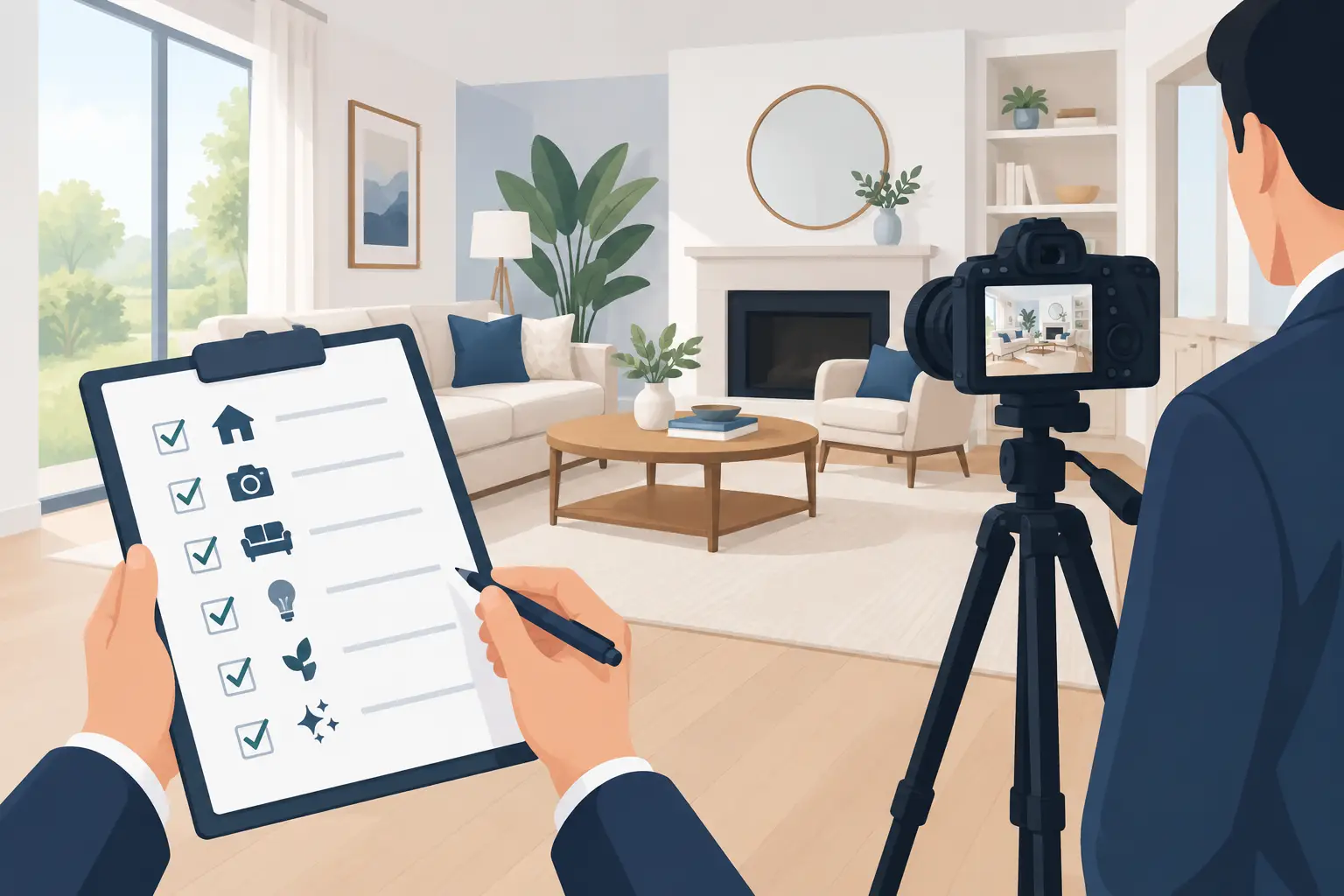
A photo appointment can expose every loose end in a listing. The counter that was clear yesterday has collected mail. A seller is still packing. The dog is pacing near the front door. An essential home shoot day checklist keeps those small issues from taking over the appointment and weakening the finished marketing.
For agents, this is not about creating a magazine set. It is about presenting the home clearly, protecting the production schedule, and giving buyers a clean reason to click, save, and book a showing. A well-prepared property also makes it easier to add the right media package, whether that means aerial coverage for acreage, a 3D virtual tour for a layout-heavy home, or twilight images for exterior appeal.
Start with the seller before shoot day
The best shoot-day prep starts before the photographer arrives. Send the homeowner a short, plain-language preparation message two to three days ahead, then confirm the appointment the day before. Do not assume a seller knows what real estate photography requires, especially if this is their first move.
Be specific about what needs to be out of view. Sellers often clean thoroughly but leave personal items that pull attention away from the property: refrigerator magnets, pet bowls, charging cords, medicine bottles, trash cans, family photos, and countertop appliances. The goal is not to erase all personality. It is to let buyers see the rooms, storage, finishes, and flow without visual noise.
Ask whether the home will be occupied during the appointment. If it will, establish a plan for people and pets to be off-site or comfortably out of frame. This is especially helpful with young children, large dogs, and homes where access between rooms is tight. A calm, clear house moves faster and photographs better.
Your essential home shoot day checklist
Use this as a final walkthrough before the scheduled appointment. If time is limited, focus first on the front exterior, kitchen, primary bedroom, main living area, and backyard. Those spaces carry a large share of a listing’s first impression.
Exterior and arrival
Buyers form an opinion before they enter the home, so begin at the curb. Move vehicles from the driveway and in front of the house whenever possible. Put away trash and recycling bins, garden tools, hoses, toys, and seasonal decor that distracts from the architecture.
For rural properties around the Shenandoah Valley, the arrival image may include a long driveway, a barn, acreage, mountain views, or a wide front lawn. Make sure gates are open if needed, access roads are clear, and any equipment that does not help tell the property story is moved. If drone media is scheduled, identify property boundaries, view corridors, and any features worth prioritizing before the appointment.
Check these exterior details:
- Mow or tidy the most visible lawn areas and sweep porches, patios, and walkways.
- Turn on pool, hot tub, landscape, and exterior lighting only if it supports the scheduled media.
- Straighten outdoor furniture and remove covers, grills, toys, and pet waste.
- Confirm that vehicles, trailers, and utility equipment are parked out of key exterior angles.
A perfect yard is not always realistic, particularly during rain, winter, or an active move. In that case, prioritize safety, access, and the clearest possible view of the home.
Kitchen and dining spaces
The kitchen earns close attention because buyers inspect it closely online. Clear the counters almost completely, leaving only simple decor if it genuinely improves the space. Remove dish soap, drying racks, paper towels, small appliances, food, pet items, and paperwork. Empty the sink and run the dishwasher if needed.
Dining tables should be clean and purposeful. A simple centerpiece can work. A table covered in mail, schoolwork, moving boxes, or a large floral arrangement will make the room feel smaller. Pull chairs into an even arrangement and check that pendant lights and ceiling fixtures are clean.
Living rooms, bedrooms, and baths
Open curtains and blinds where privacy allows, then turn on interior lights unless directed otherwise. Replace burned-out bulbs before the appointment and try to use matching color temperatures in visible fixtures. Mixed warm and cool bulbs can make a finished room feel inconsistent.
In living areas, hide remotes, cables, pet beds, blankets, and excess furniture. A room should look usable, not empty. If a space has an awkward layout, keep the furniture that explains how it functions, such as a desk in an office nook or chairs near a fireplace.
Bedrooms need made beds, clear nightstands, and floors free of laundry or storage bins. Bathrooms should have clean mirrors, closed toilet lids, fresh towels, and clear counters. Remove personal care products, toothbrushes, scales, bath mats, and shower items if they will be visible.
Utility areas and storage
Do not skip laundry rooms, mudrooms, garages, or closets without a reason. Whether they are photographed depends on the home and media plan, but they still need to be accessible and reasonably tidy. These spaces can communicate storage, function, and everyday livability.
If a closet, basement, or garage is packed for a move, tell the photographer before the shoot. It may be smarter to focus on the strongest, most marketable angles rather than spend valuable appointment time rearranging belongings. That is a practical trade-off, not a failure of preparation.
Confirm access, services, and priorities
A ready home is only part of a successful appointment. Agents should also make sure the production team can enter, work efficiently, and capture the features that matter most to the listing strategy.
Confirm lockbox instructions, gate codes, parking details, and any rooms or buildings that require separate access. If the property has an alarm, arrange for it to be disarmed. For occupied homes, make sure the seller understands the appointment window and knows whether they need to leave keys, remotes, or access cards behind.
Before the shoot, identify the home’s strongest selling points. This might be a renovated kitchen, a finished basement, a workshop, a screened porch, sunset-facing deck, mountain view, or walkable location. Share those priorities early. A photographer can work more intentionally when they know what will support the listing copy and buyer audience.
If you booked a floor plan, ensure all included areas are unlocked and accessible. If you booked a 3D virtual tour, keep interior doors open when practical and plan for people and pets to remain out of the tour path. For twilight coverage, coordinate timing with the seller so exterior and interior lights are on, and vehicles are gone before the light changes.
Handle real-world complications without losing the appointment
Not every home will be fully photo-ready. Sellers get sick, weather changes, cleaners run late, and moving days create chaos. The agent’s job is to make a quick call on what can be fixed now, what should be moved out of frame, and what may require rescheduling.
A light cleanup or a few remaining boxes may be manageable. Significant clutter, active renovation, heavy rain during an exterior-focused appointment, or inaccessible rooms may justify a new time. Rescheduling is sometimes the better business decision if the home’s first online impression would otherwise be compromised.
Communicate early rather than waiting until the appointment begins. If there is a construction project, difficult pet, tenant concern, or driveway access issue, share it in advance. Clear information helps the team arrive prepared and protects the turnaround your marketing plan depends on.
Keep your listing launch moving
Once the home is ready, step back and let the appointment run. Avoid moving items between rooms unless asked, and save nonessential questions for after capture is complete. Your attention is better spent preparing the listing remarks, verifying property details, and planning how you will use the finished media across the MLS, social channels, email, and buyer follow-up.
Villa Views is built to give agents a dependable production process, from online booking through fast delivery of core photography. The preparation on your side turns that process into a stronger listing presentation, with fewer preventable delays and a home that looks ready for its next owner.
A few minutes of organized prep can protect the moments buyers spend deciding whether a property deserves a closer look. Make the checklist part of every pre-shoot routine, and your next appointment will start with the home, not the distractions around it.
Listing photos that sell homes faster.
Professional real estate media with 24-hour delivery across Waynesboro, Staunton, and the Shenandoah Valley.
Book a Shoot