
A Guide to Real Estate Drone Videography
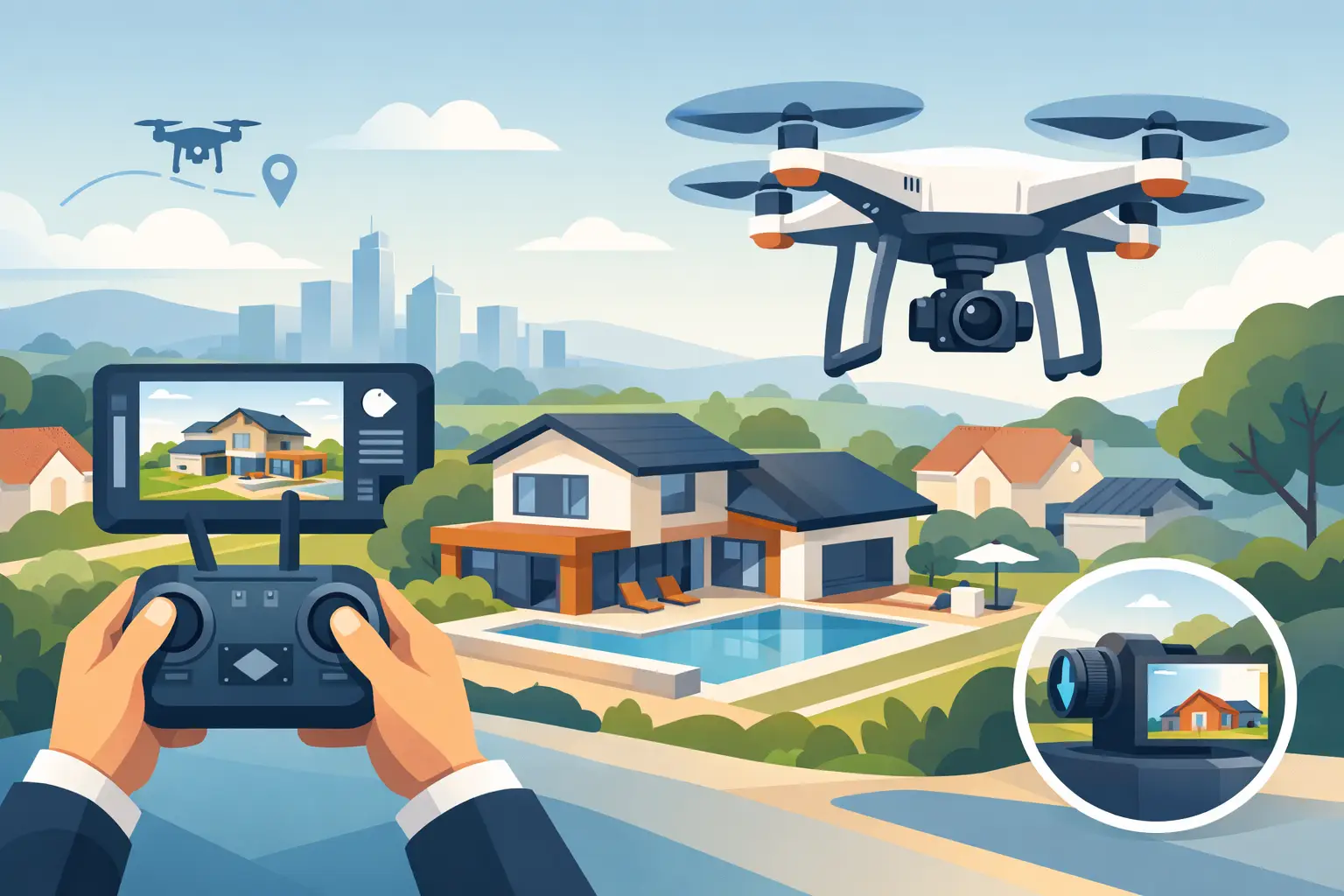
A guide to real estate drone videography starts with one practical question: what will an aerial view show buyers that ground-level media cannot? For the right listing, the answer is immediate. A drone video can show how a home sits on acreage, reveal mountain views, establish proximity to a downtown district, or make a long driveway feel like a private approach rather than a mystery on a map.
That context can earn attention before a buyer ever schedules a showing. The goal is not to add aerial footage because it looks impressive. The goal is to make the listing easier to understand, easier to remember, and more compelling in a crowded online search.
When Drone Video Adds Real Listing Value
Drone video is most effective when the land, location, setting, or exterior features are part of the property’s value. In the Shenandoah Valley, that often means a home with acreage, a ridge-line view, a creek, mature woods, a large outbuilding, or meaningful distance between neighbors. It can also help buyers understand a property near a golf course, vineyard, park, walkable town center, or major commuter route.
For rural homes, aerial footage solves a common online listing problem: photos can make individual spaces look great, but they may not explain how the house, driveway, yard, barn, and surrounding land connect. A well-planned video gives buyers the bigger picture in seconds.
It is not the best fit for every property. A small home on a standard neighborhood lot may benefit more from strong interior photography, a floor plan, and a virtual tour. If overhead footage reveals little beyond rooftops and streets, it can add length without adding a stronger reason to click or book a showing. The best media package reflects what buyers need to see, not a one-size-fits-all checklist.
Guide to Real Estate Drone Videography: Plan the Story
Good drone video should feel like part of the listing presentation, not a separate highlight reel. Before the shoot, decide on the property’s main selling point. Is the story privacy? Usable land? Views? A renovated home near amenities? Vacation-rental appeal? That answer shapes the footage your media team should prioritize.
A property with 10 acres needs different coverage than a downtown condo. For acreage, the video may establish the home first, then show the shape of the land, outdoor living areas, and nearby landscape. For a home close to Charlottesville, Staunton, or Harrisonburg, the stronger story may be the balance of residential comfort and convenient access to restaurants, shopping, schools, or outdoor recreation.
Give your visual marketing partner useful context before the appointment. Mention features that are hard to understand from the road, such as a second building behind the home, a private trail, a detached garage, a seasonal view, or a creek at the rear of the parcel. This keeps the shoot focused on selling details rather than discovering them after the fact.
What a Strong Aerial Video Should Show
The best real estate drone videos are concise. Buyers do not need a long flight over every corner of a property. They need clear visual answers to the questions that affect their interest.
For most listings, the aerial sequence should support four jobs:
- Establish the home’s setting and approach.
- Show the relationship between the house, land, and exterior amenities.
- Highlight the feature that makes the property different, such as views, privacy, water, or proximity.
- Finish with a clean, memorable view of the home or its surroundings.
Aerial footage works especially well alongside professional photography. Photos sell rooms and details. Drone video sells scale, placement, and atmosphere. When used together, they give buyers a more complete reason to keep exploring the listing.
The same principle applies to short-term rentals and managed properties. Guests want to know whether they are booking a secluded cabin, a walkable getaway, a mountain-view retreat, or a convenient base near local attractions. Aerial video can set that expectation quickly, which helps attract guests who are a better match for the property.
Prepare the Property for an Aerial Shoot
Drone footage sees more than buyers do during a standard showing. It can capture the condition of the driveway, roofline, yard, pool area, fencing, outdoor furniture, vehicles, and neighboring visual distractions. A few minutes of preparation can protect the final result.
Ask sellers to move extra vehicles, trailers, trash bins, and equipment out of visible exterior areas when possible. Mow the lawn, clear outdoor furniture of covers and clutter, and make sure pool covers, gates, and landscaping are presentation-ready. If the property includes animals, farm equipment, or active work areas, communicate that in advance so the shoot can be planned safely and efficiently.
Weather matters, too. Bright but lightly clouded conditions often create a balanced look, while strong wind, rain, fog, or low clouds may limit what can be captured safely. A clear blue sky is appealing, but it is not the only good shooting condition. The key is choosing a time when the property can be shown accurately and attractively.
For homes with mountain views, seasonal changes deserve consideration. Leaf-off conditions may reveal a view that is hidden in summer. Lush summer foliage may better sell privacy and outdoor living. Neither is automatically better. The right choice depends on what buyers will experience when they visit and what feature carries the listing’s value.
Keep the Video Focused on Buyer Decisions
Aerial video should create interest, not make buyers work to find the point. Keep the final piece short enough for social media, listing portals, and agent outreach, while still giving the viewer a sense of place. A concise video also makes it easier to reuse the content across your marketing.
Think about where the video will appear before it is produced. A full property video may live on the listing page and be shared with interested buyers. Shorter clips can support social posts, email campaigns, and listing-launch announcements. If your brokerage has brand requirements, confirm them before the shoot so the final content fits your broader marketing plan.
Narration, music, text overlays, and branding can all have a place, but each choice should serve the listing. Too much text can compete with the visuals. Overly dramatic music can make a straightforward property feel less credible. Clean footage, a clear sequence, and a focused message usually do more to build confidence than extra production effects.
Safety, Permissions, and Professional Standards
Drone work is not simply a camera add-on. It involves airspace, weather, property conditions, and federal operating requirements. Agents should work with a properly licensed drone professional who understands how to evaluate the location before the flight.
That matters near airports, medical facilities, schools, event venues, and areas with temporary flight restrictions. In some cases, the desired footage may require authorization, a different flight plan, or rescheduling. In others, drone coverage may not be available at all. A reliable provider will set realistic expectations instead of promising footage that cannot be captured legally or safely.
It is also smart to talk with sellers about privacy. Neighboring homes may appear in the background, especially on small lots. The aim should be to show the listed property and its setting without creating unnecessary distractions. For large tracts, confirm property boundaries and identify any areas that should not be featured.
Build Drone Video Into the Right Media Package
Drone video is strongest when it supports the rest of your listing media. Pair it with professional interior and exterior photography for a polished first impression. Add a floor plan when layout and room flow matter. Use a 3D virtual tour when buyers need to explore the home before traveling for an in-person appointment.
This combination is particularly useful for relocation buyers, second-home shoppers, and anyone considering a property from outside the immediate area. They need enough clarity to decide whether the drive is worthwhile. Better context can lead to more informed inquiries and stronger showing interest.
For busy agents, the process should also be simple. A clear booking workflow, property prep guidance, and dependable delivery help you launch the listing without chasing multiple vendors. Villa Views approaches aerial media as part of that larger listing system, with the same focus on polished presentation and practical turnaround.
The right drone video does not try to make every property look the same. It shows buyers why this property is worth seeing in person. When the footage answers that question clearly, it becomes more than a nice extra. It becomes a useful part of the decision to click, inquire, and schedule a showing.
Listing photos that sell homes faster.
Professional real estate media with 24-hour delivery across Waynesboro, Staunton, and the Shenandoah Valley.
Book a Shoot