
Harrisonburg Rental Media Checklist for More Bookings
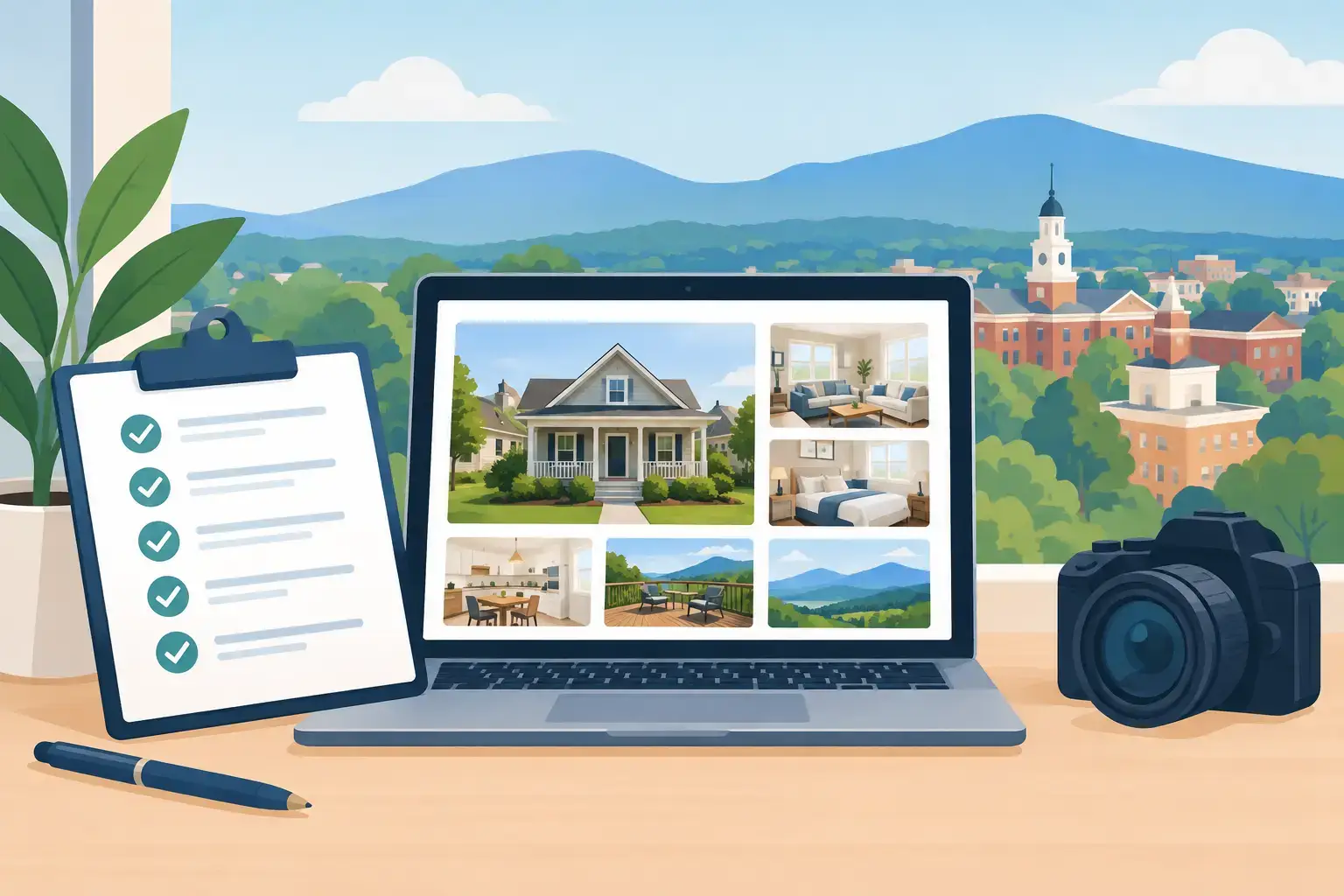
A rental can be clean, well-priced, and available at the right time, then still lose attention online because the listing looks unfinished. Dim rooms, crowded counters, missing exterior context, and inconsistent images create uncertainty before a prospect ever schedules a tour. This Harrisonburg rental media checklist helps property managers, leasing teams, and short-term rental hosts prepare a property to look credible, complete, and ready to book.
Rental media is not just a record of what is inside the unit. It is part of the leasing process. Strong visuals help renters understand the layout, identify the features that matter to them, and decide whether the property deserves a showing. For furnished stays, the same media helps guests picture their arrival and compare your rental against nearby options.
Start With the Rental’s Booking Goal
Before scheduling photos, decide what the media needs to accomplish. A long-term rental needs qualified inquiries and efficient showings. A short-term rental needs to sell comfort, convenience, and the experience of staying there. A property with acreage or a longer drive may need exterior and aerial coverage that explains the setting just as clearly as the interior.
This decision affects the right media package. Photography is the baseline for nearly every rental. A 3D virtual tour can reduce avoidable questions about flow and room size, especially for relocating renters or prospects who cannot visit immediately. A floor plan gives practical-minded renters a fast way to understand bedroom placement, storage, and living space. Drone photos or video make sense when the lot, mountain view, proximity to a campus, outdoor amenities, or surrounding setting adds real value.
The goal is not to order every available service for every unit. The goal is to show the features that make this particular rental easier to choose.
The Harrisonburg Rental Media Checklist Before the Appointment
A media appointment moves faster and produces stronger marketing when the home is fully ready before the photographer arrives. Use this checklist the day before, then do a final walk-through on the morning of the shoot.
- Confirm that the rental is vacant, staged, or furnished intentionally. Half-moved furniture, maintenance supplies, unpacked boxes, and personal belongings make a property feel temporary.
- Complete repairs that will be visible in photographs. Replace burned-out bulbs, remove painter’s tape, touch up obvious wall marks, and address loose cabinet hardware or damaged blinds.
- Clean every visible surface, including floors, mirrors, appliances, shower glass, windows, and ceiling fans. Small details appear larger in professional images than they do during a quick walkthrough.
- Turn on working utilities. Power, water, HVAC, and interior lights should be available. If the property uses a key, lockbox, gate code, or unusual entry process, provide clear access instructions in advance.
- Secure pets and remove pet items. Bowls, crates, litter boxes, and toys can distract from an otherwise polished room.
If the unit is occupied, give residents reasonable notice and provide a short preparation list. Occupied rentals can photograph well, but they require more coordination. Ask residents to clear kitchen counters, bathroom counters, floors, refrigerator doors, and laundry areas. Personal photos, piles of clothing, and visible medications should be put away for privacy as well as presentation.
Clean for the Camera, Not Just for Turnover
Turnover cleaning and photo preparation overlap, but they are not identical. A clean unit may still need visual editing. Remove trash cans from prominent spaces, hide cords when practical, straighten blinds, and make beds with simple, wrinkle-free linens. In kitchens, leave only a few intentional items if the property is furnished. A coffee maker or fruit bowl can add warmth, while a full counter of appliances and supplies creates visual noise.
Bathrooms deserve extra attention because renters use them as a condition check. Close toilet lids, remove cleaning products, hang fresh towels if appropriate, and clear the shower area. Do not use excessive décor to compensate for a dated bathroom. Clean, bright, and honest is better than styled beyond what the unit delivers in person.
Make Every Room Easy to Understand
The best rental listing media answers basic questions quickly: What does the space look like? How does it connect? Is there enough room for my life? That means each room needs a purpose before it is photographed.
In an unfurnished rental, define awkward areas when possible. A small nook might be a workspace, reading area, or dining spot, depending on the layout and likely renter. You do not need to fill every room with furniture, but an empty space with no clear function can feel smaller online than it is in person. Virtual staging can be useful for vacant units when it helps prospects understand scale and use. It should be used selectively and represented accurately so the showing experience matches expectations.
For furnished short-term rentals, prioritize comfort and function. Make sure seating is arranged for conversation, beds are fully made, and the dining area is ready to use. Highlight practical amenities that support the stay, such as a dedicated desk, laundry area, covered porch, outdoor seating, or well-equipped kitchen. Skip decorative clutter. Guests are looking for a place that feels easy to live in, not a showroom with no usable surfaces.
Do Not Neglect the Exterior and Arrival Experience
A renter’s first impression begins before the front door. In Harrisonburg and across the Shenandoah Valley, a rental may have a long driveway, shared parking, rural surroundings, mature trees, a mountain backdrop, or a separate entrance. These are not minor details. They affect how prospects judge convenience, privacy, and value.
Before exterior media is captured, mow if needed, remove hoses and bins, sweep porches and walkways, and move vehicles out of the driveway when possible. Check that house numbers are visible if they add clarity, but avoid displaying details that create a security concern for a vacant property. Put away seasonal decorations unless they are especially neutral and current.
Aerial media is worth considering when it explains the property better than ground-level images can. It can show acreage, parking layout, distance from neighboring homes, outdoor features, or the relationship to a scenic setting. It is less useful for a rental where the surrounding view does not add value or where exterior context is already obvious. Spend on the media that helps the prospect make a decision.
Prepare for 3D Tours, Floor Plans, and Video
Photos can make a listing attractive. Supporting media can make it easier to evaluate. That distinction matters when renters are comparing several properties in a single evening.
A 3D virtual tour works best when the entire home is ready, including closets, utility areas, and secondary rooms that may be included in the tour. Decide ahead of time whether any spaces should be excluded for privacy or access reasons. Once the tour is live, it should accurately reflect what a prospect will see during a showing.
Floor plans are particularly valuable for multi-bedroom rentals, townhomes, and homes with unusual room flow. They help reduce confusion around bedroom locations, stairways, and usable living areas. For furnished properties, a floor plan can also reassure guests that the layout fits their group.
Video earns its place when movement tells the story better than still images. Think of a walk from the kitchen to the deck, the approach down a tree-lined drive, or the relationship between indoor living space and an outdoor area. Keep the focus on the property, not on flashy effects. Clear, steady coverage supports a premium listing presentation and sets the right expectation.
Build a Repeatable Rental Media Process
Property managers with multiple units do not need more back-and-forth. They need a reliable process that can be repeated at turnover. Create one internal checklist for cleaners, maintenance, and leasing staff, then designate one person to confirm the home is media-ready before the appointment.
Keep a record of which services work best for each property type. A downtown apartment may need photography, a floor plan, and a virtual tour. A furnished home near outdoor recreation may benefit from photography, video, and exterior coverage. Over time, this makes booking faster and keeps your listings visually consistent across the portfolio.
Villa Views provides rental media built for that kind of repeatability, with professional photography and complementary services that help properties earn more attention without adding friction to your leasing workflow. Core photography is delivered with a 24-hour turnaround, so a ready unit can move from prep to marketing without sitting offline longer than necessary.
Before you book, walk the property as if you were seeing it for the first time online. If an image, tour, or floor plan would leave you asking a question, fix the issue or make a plan to show the answer clearly. That final ten-minute review can turn a routine rental listing into one that earns better inquiries and faster showings.
Listing photos that sell homes faster.
Professional real estate media with 24-hour delivery across Waynesboro, Staunton, and the Shenandoah Valley.
Book a Shoot