
How to Stage a Vacant Home Virtually Well
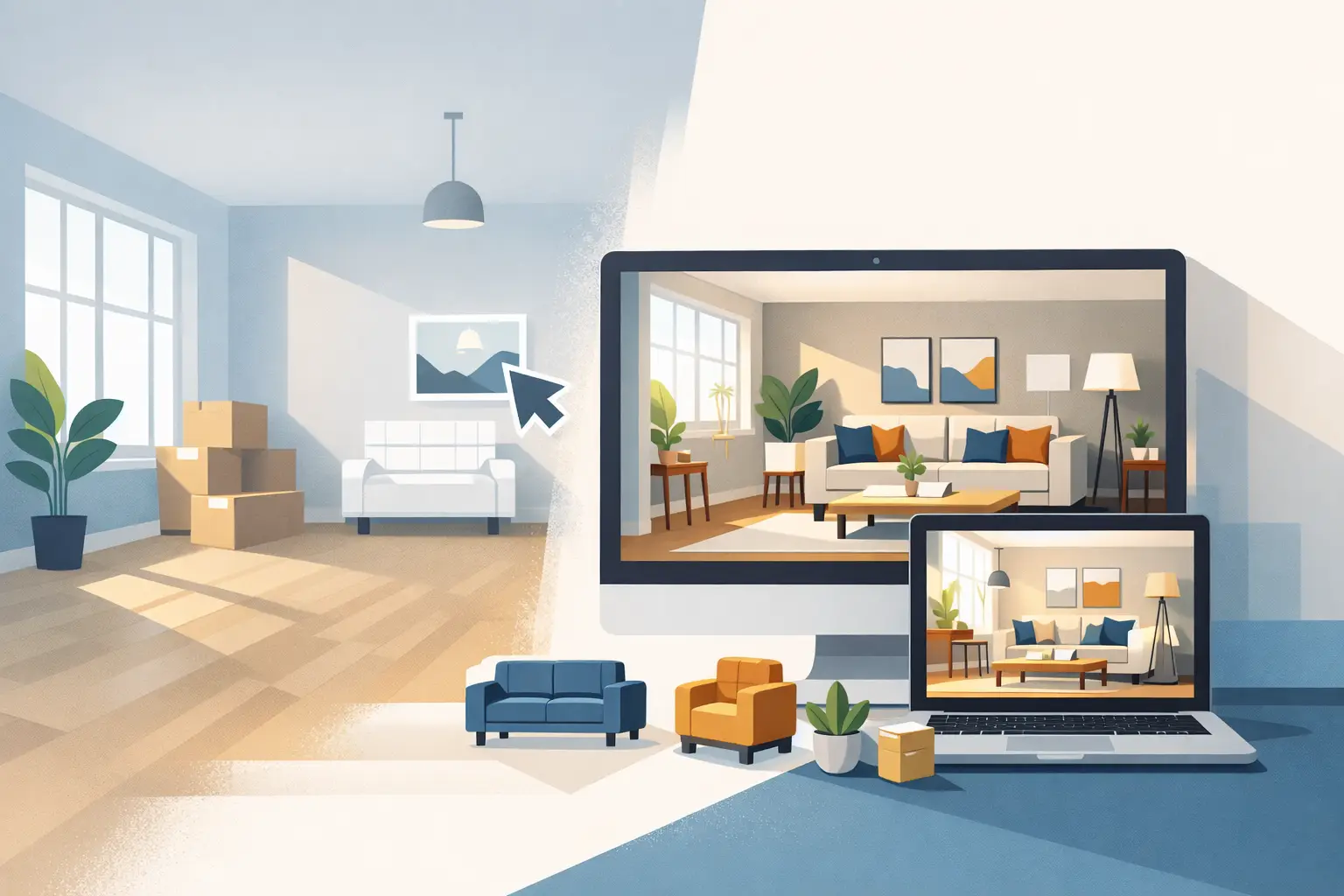
An empty room can make a perfectly good home feel smaller, colder, and harder to understand online. Buyers may see bare floors and blank walls, but they also start wondering whether a sofa fits, where a dining table goes, or how they would actually use the space. Knowing how to stage a vacant home virtually gives you a practical way to answer those questions before the first showing.
Virtual staging adds realistic furniture, decor, and purpose to professional listing photos after the home has been photographed empty. It is not a substitute for clean photography, thoughtful listing preparation, or honest marketing. Used well, it helps buyers see potential, creates stronger first impressions on the MLS, and gives your listing a more polished presentation from the first click.
Start With a Clean, Well-Prepared Empty Home
Virtual furniture cannot fix a home that was not prepared for photography. Before the shoot, make sure the property is clean, lights work, blinds are adjusted, and obvious distractions are removed. Patch major wall damage, replace burned-out bulbs, and clear construction materials, cleaning supplies, and leftover personal items.
The room itself still has to look good. Virtual staging works best when the photo has straight lines, balanced light, clean floors, and enough open space to show the room’s proportions. In a rural Shenandoah Valley listing, that also means making sure the features buyers care about are visible: hardwood floors, a stone fireplace, mountain-facing windows, a wide entry, or the view from a bonus room.
If a room is unusually dark or has a difficult layout, address that during photography rather than assuming furniture will distract from it. Buyers will see the real home when they arrive. Your visuals should set clear, appealing expectations.
Choose Rooms That Need Context
You do not need to virtually stage every image in the gallery. In fact, staging every room can make the listing feel repetitive and can spend budget where it will not move the conversation forward. Focus on the photos that help buyers understand how the home lives.
The primary living room is usually the first choice because it establishes scale and lifestyle. A dining room is valuable when it is empty enough to be mistaken for a sitting room or office. Primary bedrooms often benefit from staging because a bed, nightstands, and rug quickly show the room’s size.
Other high-value candidates include a flex room, finished basement, home office, sunroom, or loft. These spaces can confuse buyers when vacant. A purposeful virtual setup helps eliminate the question, “What would I do with this room?”
Skip rooms that already communicate their purpose clearly. Kitchens, bathrooms, laundry rooms, closets, garages, and utility spaces usually do not need virtual furniture. Instead, rely on bright, clean photos that show layout, storage, finishes, and condition.
Think Like a Buyer Scrolling on a Phone
Most buyers meet the listing on a small screen first. At that size, an empty living room can look like a blank box. A staged image gives the eye an immediate focal point and shows the room’s function without requiring buyers to interpret every detail.
That does not mean loading the image with furniture. A restrained arrangement often works best: a properly scaled sofa, chairs, coffee table, artwork, and a few accessories. The goal is to clarify the room, not create a magazine set that feels out of reach for the property or the local market.
Match the Staging Style to the Listing
The best virtual staging style supports the property, price point, and likely buyer. It should feel intentional without becoming a distraction. A contemporary condo near Charlottesville may call for clean-lined furnishings and a lighter palette. A farmhouse on acreage outside Staunton may look more natural with warm wood tones, comfortable seating, and simple textures that complement the home’s character.
Avoid choosing furniture simply because it is trendy. Oversized statement pieces, overly formal decor, or a style that clashes with the home’s finishes can make an image feel artificial. The buyer should notice the room first, then imagine their life in it.
Scale matters just as much as style. Furniture needs to reflect the actual dimensions of the room. A king bed in a modest bedroom may make the space appear cramped, while a tiny loveseat in a large great room can make it feel awkwardly empty. Good staging helps buyers read the room accurately.
For a property with broad appeal, lean toward neutral and current rather than highly personalized. You can still create warmth with rugs, greenery, art, and layered textures. Keep the color story simple so buyers focus on the floors, windows, ceiling height, and usable square footage.
Keep the Listing Honest and Consistent
Virtual staging is marketing, and good marketing is clear about what it represents. Label virtually staged images in accordance with your MLS rules and brokerage guidance. A simple disclosure protects buyer expectations and keeps the presentation professional.
It is also smart to include at least one unstaged photo of the same key room when your listing platform and photo count allow it. That gives buyers a direct view of the space while preserving the benefit of the staged image. In other cases, staged photos paired with a clear disclosure may be enough. The right approach depends on local rules and the property.
Never use virtual staging to hide a permanent flaw, remove an undesirable feature, change flooring, alter walls, or misrepresent a view. Furniture and decor can clarify use. They should not change the condition or core features of the home.
This distinction matters at showings. When buyers walk into a vacant house, they should recognize the room they saw online. That consistency builds confidence instead of creating friction.
Build a Smart Photo Plan Before You Order
The strongest results start with a plan, not a last-minute request after the gallery arrives. Before photography, decide which rooms need staging and how many images you want edited. Consider the listing’s target buyer, the rooms most likely to earn attention online, and the story you want the image gallery to tell.
A simple plan might include the living room, dining area, primary bedroom, and one flex space. For a smaller home, the living area and primary bedroom may be enough. For a larger property with a finished lower level or multiple gathering areas, select the rooms that prevent confusion and show the home’s full usability.
Keep the rest of the media package in mind, too. Professional photography should carry the primary visual load. Aerial images can establish acreage, lot position, and surrounding landscape. Floor plans help buyers understand flow and dimensions. A 3D virtual tour lets serious prospects explore the layout before scheduling a showing. Virtual staging has a specific job within that system: help the home feel usable, welcoming, and easier to picture.
When these elements are planned together, your listing presentation feels more complete. You also have a clearer explanation for sellers who ask why the home needs more than a few phone photos.
Use Virtual Staging in Your Seller Conversation
Vacant homes can be a sensitive topic for sellers. Some do not want the expense or logistics of moving in furniture. Others are carrying a property after a move, an estate transition, or a renovation and need it listed promptly.
Present virtual staging as a focused marketing tool, not as a cosmetic trick. Explain that it can show the potential of empty rooms without delaying the listing or requiring a furniture rental. Be equally direct that the house must still be cleaned, repaired, and photographed professionally.
This conversation can also help you set expectations around showing readiness. Virtual staging improves the online presentation, but buyers will still expect a tidy, well-lit, accessible home when they arrive. If the property is occupied only occasionally, establish a plan for lawn care, temperature, lights, and entry access before the listing goes live.
Review the Final Images Carefully
Before publishing, review every staged image at full size and on a mobile screen. Look for natural furniture placement, believable shadows, correct proportions, and decor that fits the room. Check that nothing blocks a doorway, window, fireplace, or architectural feature buyers need to see.
Then review the gallery as a buyer would. The first photos should create momentum, not force someone to hunt for the best spaces. Lead with the strongest exterior or main living area, follow with the rooms that establish the home’s layout and condition, and use staged images where they add the most clarity.
A vacant home does not have to market like an empty house. Give buyers enough visual context to imagine moving in, then make sure the real property earns the interest your listing media creates.
Listing photos that sell homes faster.
Professional real estate media with 24-hour delivery across Waynesboro, Staunton, and the Shenandoah Valley.
Book a Shoot