
Listing Photo Mistakes That Cost You Showings
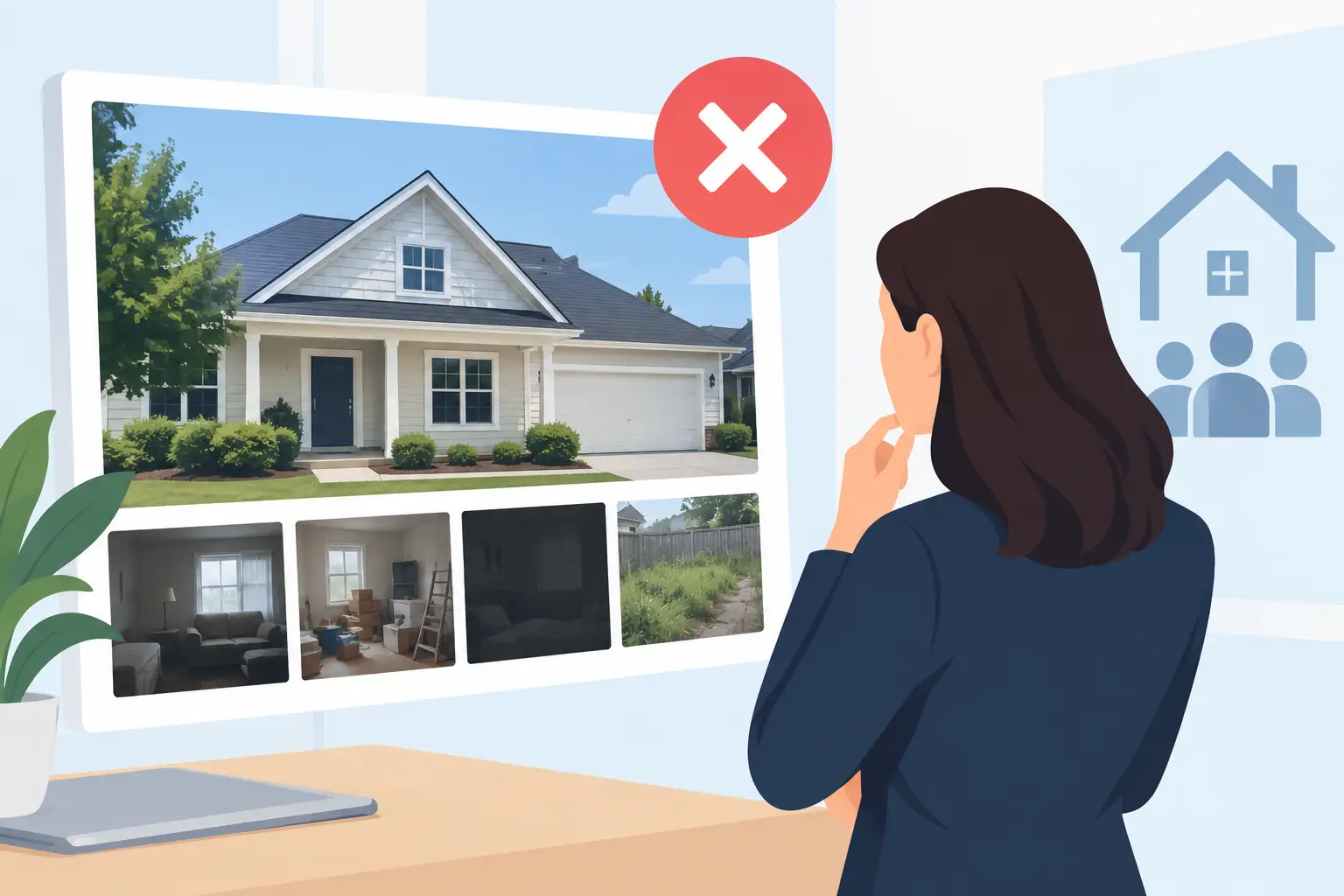
A buyer scrolling through listings gives each property only a moment to earn a click. Listing photo mistakes can make a well-priced home feel smaller, darker, dated, or harder to understand before a buyer ever reads the description. That is a marketing problem, not just a photography problem.
For agents, strong media protects the work you put into pricing, preparing, and positioning a property. It also supports the impression you make in the next listing appointment. The goal is not to make every home look like a luxury estate. The goal is to show its real strengths clearly, create confidence, and give buyers a reason to schedule a showing.
Listing Photo Mistakes That Hide a Home’s Value
Treating photography as the last item on the checklist
Photos should not be an afterthought squeezed between cleaning, sign installation, and the moment a listing goes live. When media is rushed, agents often miss simple details that affect the final presentation: overgrown landscaping, a cluttered kitchen island, cars in the driveway, closed blinds, or a room that has not been fully prepared.
Build photography into the launch plan early. Confirm the home-prep expectations with the seller, choose a time when the property can be clean and accessible, and schedule the shoot before you need the listing live. A dependable 24-hour photography turnaround helps, but it cannot replace preparation.
This matters even more for occupied homes. Sellers do not need to renovate the entire property. They do need a practical plan for removing visual distractions, clearing surfaces, securing pets, and making each room easy to photograph.
Leaving visual clutter in the frame
Clutter is one of the fastest ways to make a listing feel less valuable. Countertop appliances, crowded refrigerator doors, overflowing shelves, cords, pet supplies, personal toiletries, and piles of mail pull attention away from the room itself.
A few lived-in details are normal, especially in rural and small-town markets where homes may be occupied until closing. The line is simple: buyers should notice the space before they notice the stuff in it. Clear kitchen and bathroom counters, simplify open shelving, tuck away trash cans where possible, and remove highly personal items that keep viewers from imagining themselves in the home.
Do not overcorrect by stripping every room bare. A home should still feel warm and usable. The best preparation keeps purposeful furniture and removes the distractions that compete with the property.
Using too few photos to tell the story
A listing with only a handful of images creates unanswered questions. Buyers want to understand the flow of the home, the condition of key rooms, outdoor living areas, and what makes the property different from the options around it.
More images are not automatically better, though. Repeating nearly identical angles can make the listing feel unfocused. The right photo set gives each meaningful room a clear purpose and moves buyers through the home logically. It should also include features that affect buying decisions, such as an updated laundry room, a finished basement, a workshop, a screened porch, or a useful mudroom.
For acreage properties, the story extends beyond the front door. Buyers may need to see the setting, driveway approach, detached structures, views, pasture, creek frontage, or outdoor entertaining space. If the land is part of the value, it should be part of the visual plan.
Forgetting the exterior and approach
Curb appeal starts before the front elevation. A long driveway, a private lane, a mountain backdrop, or a home set back from the road can be a major selling point in the Shenandoah Valley. It can also create uncertainty when the listing does not show buyers what to expect.
Make the approach part of the marketing. Tidy the entry, move vehicles when practical, manage hoses and bins, and make sure house numbers are visible if finding the property could be difficult. Drone photography can add valuable context for larger lots, scenic locations, and properties where the layout cannot be understood from ground-level images alone.
Aerial media is not necessary for every listing. On a compact in-town property, it may add little beyond a strong exterior photo. On acreage, a parcel with multiple structures, or a home with exceptional surroundings, it can help buyers see the full opportunity faster.
Posting photos that are dark, crooked, or poorly sequenced
Buyers may not describe an image as poorly exposed or improperly composed. They simply decide the home feels less appealing. Dark interiors make rooms feel smaller. Crooked vertical lines can make the home feel off-balance. A confusing photo order forces viewers to work too hard to understand the property.
Professional real estate photography is designed to solve those presentation issues while keeping the home believable. That last point matters. Over-editing color, sky, grass, or interior brightness can create expectations that the in-person showing cannot meet. Strong listing media should be polished, accurate, and consistent with the property buyers will actually tour.
Sequence matters, too. Lead with the most compelling image, whether that is a standout exterior, a bright main living area, or an exceptional view. Then guide the viewer through the property in a way that makes sense. Save secondary storage spaces and utility areas for later, unless they are a genuine selling feature.
The Mistake of Showing Empty Potential Poorly
Vacant rooms can be difficult for buyers to read. A large room may look smaller without furniture for scale. An awkward nook can look like wasted space. A dated but functional room may distract from a home that is otherwise well maintained.
Virtual staging can help buyers understand how an empty living room, bedroom, office, or dining area could function. It is most useful when the room’s purpose is unclear or when a vacant home needs a warmer, more complete online presentation. It should not be used to hide permanent flaws, alter the home’s structure, or suggest features that are not included.
Use it selectively. One or two strategically staged images can clarify the opportunity. Staging every room may be unnecessary, especially if the home already has strong natural light, good proportions, and a straightforward layout.
Ignoring Tools That Reduce Buyer Uncertainty
Photos create interest. Other media can help turn that interest into a showing by answering the questions static images cannot.
A 3D virtual tour gives buyers a better sense of room relationships and flow, which is useful for multi-level homes, unusual layouts, second homes, and buyers relocating from outside the area. Floor plans provide another layer of clarity by showing dimensions and the relationship between spaces. For short-term rentals and property management portfolios, consistent tours and floor plans can also reduce repetitive guest or tenant questions.
The right package depends on the listing. A starter home with a simple layout may need excellent photography and a floor plan. A larger home, a rural property, or a premium listing may benefit from photography, aerials, twilight images, a 3D virtual tour, and a floor plan working together. Select media based on what buyers need to understand, not on a one-size-fits-all checklist.
A Better Pre-Shoot Plan for Busy Agents
The most reliable way to avoid listing photo mistakes is to give sellers a short, clear preparation plan well before the appointment. Tell them which rooms will be photographed, what needs to be moved, whether pets need to be secured, and when they should plan to leave the home. Specific instructions reduce last-minute calls and help the appointment stay on schedule.
Before the shoot, walk the property with a buyer’s eye. Check lights, blinds, beds, counters, outdoor furniture, garage doors, and visible storage areas. Decide which features need special coverage. If there is a view, plan around the best time of day. If the home’s strongest appeal appears after sunset, twilight photography may be worth adding.
Then choose a media partner who makes the process easy to repeat. Villa Views gives Shenandoah Valley agents a practical menu of listing media, online booking, and fast turnaround so the marketing side of a listing does not become another moving target.
A home only gets one first impression online. Give buyers enough clarity to picture the property, enough polish to trust the presentation, and enough reason to take the next step: book the showing.
Listing photos that sell homes faster.
Professional real estate media with 24-hour delivery across Waynesboro, Staunton, and the Shenandoah Valley.
Book a Shoot