
A Listing Workflow That Keeps Deals Moving
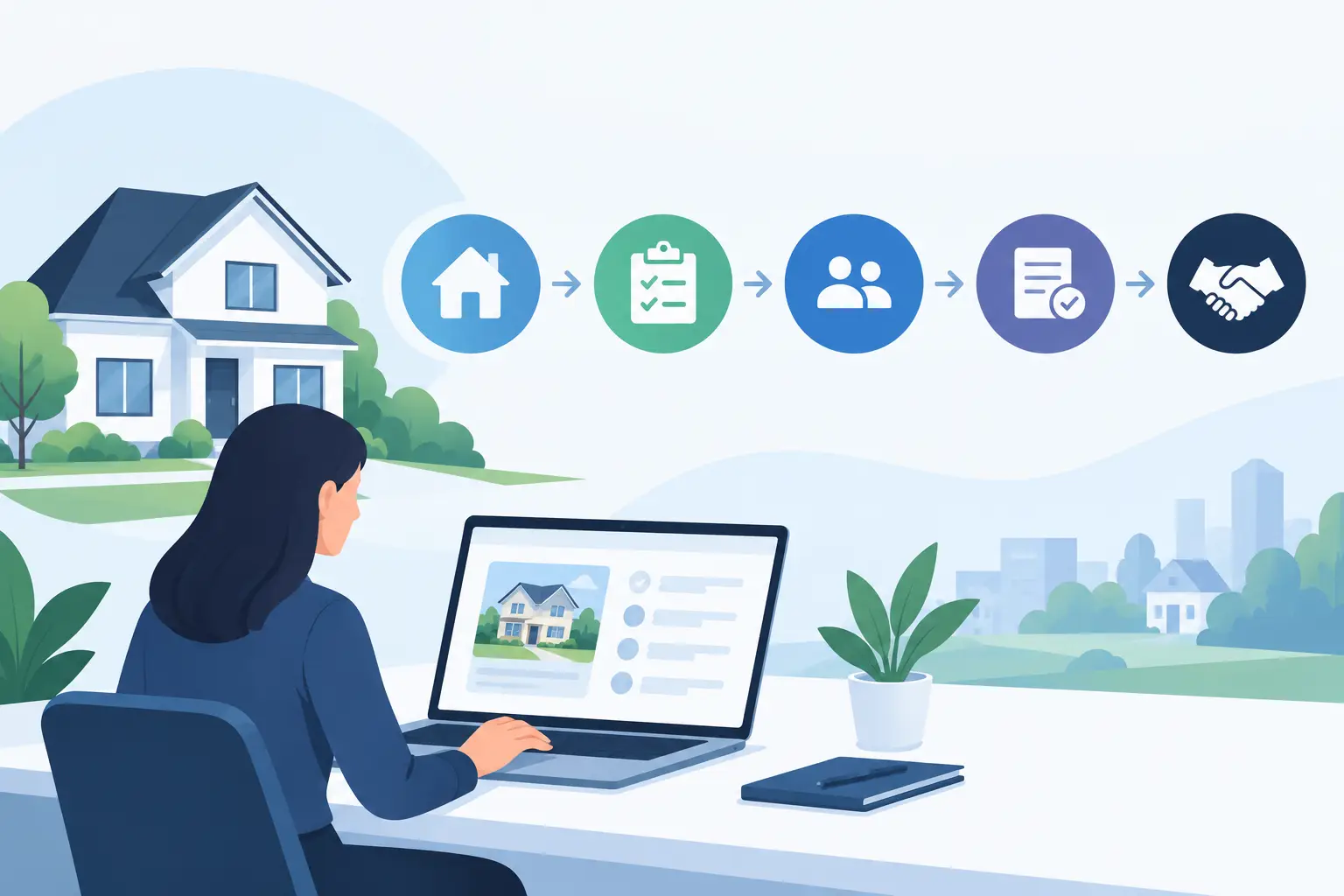
A strong listing workflow does more than keep your calendar organized. It protects the first impression that wins clicks, supports a confident list price, and gets a property in front of buyers while attention is still high. When the process is unclear, even great homes can sit in a half-ready state: photos delayed, details missing, and the listing launch pushed back another day.
For working agents, a repeatable workflow is not administrative busywork. It is part of the marketing strategy. The goal is simple: move from signed listing agreement to live, polished marketing with fewer texts, fewer surprises, and no last-minute scramble at the front door.
Start the Listing Workflow at the Appointment
The best time to set expectations is before you have the listing, not after. Sellers are more likely to prepare the home correctly when they understand that professional media is tied directly to how their property will appear online. Explain the sequence early: prep, media appointment, review, listing launch, then showing support.
This conversation also helps you spot complications before they become delays. Is the home occupied? Are there pets, tenants, lockbox restrictions, a long gravel driveway, acreage, or weather-sensitive exterior features? In the Shenandoah Valley, those are normal listing details, not exceptions. A mountain view may need a clear-weather shooting window. A rural property may need extra time to capture outbuildings, boundaries, approach roads, or the setting buyers cannot understand from the main house alone.
Set a target launch date, then work backward. If the property needs cleaning, repairs, staging, or landscaping, schedule those tasks before the media appointment. Booking photography before the house is ready can cost more than a day. It can create rescheduling pressure and leave the seller feeling rushed.
Give Sellers One Clear Prep Plan
Sellers do not need a long lecture. They need a practical checklist with a deadline. Ask them to remove countertop clutter, personal photos, pet items, trash bins, visible cords, and excess furniture that makes rooms feel tight. Exterior prep matters just as much: clear vehicles from the driveway, roll up hoses, move bins, and make sure the entry looks intentional.
The trade-off is worth stating honestly. A lived-in home does not need to look vacant, and over-prepping can make it feel cold. The aim is not perfection. It is a clean, open presentation that lets buyers see the home rather than the seller’s daily routines.
Build Your Media Package Around Buyer Questions
A listing workflow becomes more efficient when you decide on the media package based on the property, not habit. Standard photography may be the right starting point for every listing, but some homes need more context to compete online.
Drone photography or video can help buyers understand acreage, a private setting, views, nearby amenities, and the relationship between the home and its land. This is especially valuable for rural properties where a map pin and a few ground-level images do not tell the full story. Twilight images can give a higher-end listing an eye-catching lead image, while virtual staging can help an empty or dated room communicate its potential.
A 3D virtual tour and floor plan answer a different question: how does this house actually flow? They can reduce uncertainty for buyers comparing multiple homes from a distance. For a short-term rental or managed property, they also make it easier for guests and owners to evaluate layout, sleeping areas, and usable space before a visit.
There is no reason to add every service to every listing. A smaller home with a straightforward layout may benefit more from clean photography and a fast launch than from an oversized package. On the other hand, skipping aerial coverage on a view property or floor plans on a complex layout can leave buyer questions unanswered. Choose the tools that make the home’s strongest selling points easier to grasp quickly.
Treat the Media Appointment Like a Listing Milestone
Once the appointment is on the calendar, confirm the basics in one place: property address, access instructions, seller contact, pets, special features, and any rooms or amenities that need attention. This prevents the kind of back-and-forth that creates mistakes on a busy shoot day.
The home should be fully ready before the appointment begins. Cleaning while media is being captured, moving furniture from room to room, or deciding which rooms are included on the spot slows everything down. It can also mean missed opportunities if a key room, barn, deck, or view is not accessible.
For occupied homes, let sellers know that they may need to step out during the appointment. This gives the production team room to work efficiently and gives the home a calmer presentation. If the seller must remain onsite, establish where they will be and how access will work.
Weather deserves a plan, particularly for exterior, drone, and twilight work. You cannot control rain, wind, or low visibility, but you can decide in advance which elements can proceed and which need to be rescheduled. That is far better than discovering the issue when your launch deadline is already at risk.
Make Review Fast, Not Casual
Fast media delivery only creates an advantage if your review process is ready for it. Before the gallery arrives, have your property description, room details, disclosures, feature sheet, and MLS fields underway. When photos are delivered, you should be selecting a lead image and building the listing, not beginning the information-gathering process from scratch.
Review the media with a buyer’s mindset. Does the first image stop the scroll? Does the sequence move logically through the home? Are the features you emphasized in the listing appointment actually represented? If the home’s value depends on a workshop, renovated kitchen, finished basement, views, or outdoor living area, make sure those elements are easy to find.
Keep revision requests focused and timely. A legitimate correction should be handled clearly, but trying to redesign the marketing plan after delivery can slow the launch. The smarter approach is to flag special requests before the appointment so the scope matches the strategy from the beginning.
Launch Everything as One Coordinated Release
Avoid posting one or two phone images first and adding professional media later whenever possible. Buyers often form an opinion the first time they see a listing. A partial launch can spend that first wave of attention before the strongest assets are available.
Instead, publish the MLS listing with professional photos, accurate property information, and the selected media components ready to go. Then use the same core presentation across your email outreach, social posts, property flyers, and agent-to-agent communication. The message can change by channel, but the visual standard should stay consistent.
This does not mean every platform gets identical copy. A social post may lead with the view, the kitchen, or a buyer-friendly feature. An email to local agents may focus on showing availability, acreage, updates, or price point. The listing itself should remain the source of truth, with details that match across every place a buyer might encounter the property.
Keep the Workflow Moving After It Goes Live
A listing launch is the start of the sales conversation, not the end of the workflow. Confirm that showing instructions are clear, the lockbox is active, and the seller knows how feedback and appointment requests will be handled. If a property has special access needs, such as a gate, shared drive, tenant notice requirement, or limited parking, make that information easy for other agents to find.
Watch early engagement for signals, but do not overreact to a quiet first day. A listing’s response depends on price, condition, timing, and local inventory as much as presentation. Strong media cannot fix a mismatch between price and market expectations. What it can do is make sure buyers get an accurate, compelling reason to take the next step.
For agents managing multiple listings, save the workflow as a repeatable sequence in your transaction system. Use the same seller prep message, intake questions, media booking process, review window, and launch checklist every time. Villa Views supports that rhythm with online booking and fast photography turnaround, helping agents spend less time chasing logistics and more time moving deals forward.
The most useful workflow is the one your sellers can follow and your team can repeat under pressure. Build it before the next listing hits your desk, then let every launch feel deliberate from the first conversation to the first showing.
Listing photos that sell homes faster.
Professional real estate media with 24-hour delivery across Waynesboro, Staunton, and the Shenandoah Valley.
Book a Shoot