
How to Prepare Occupied Homes for Photography
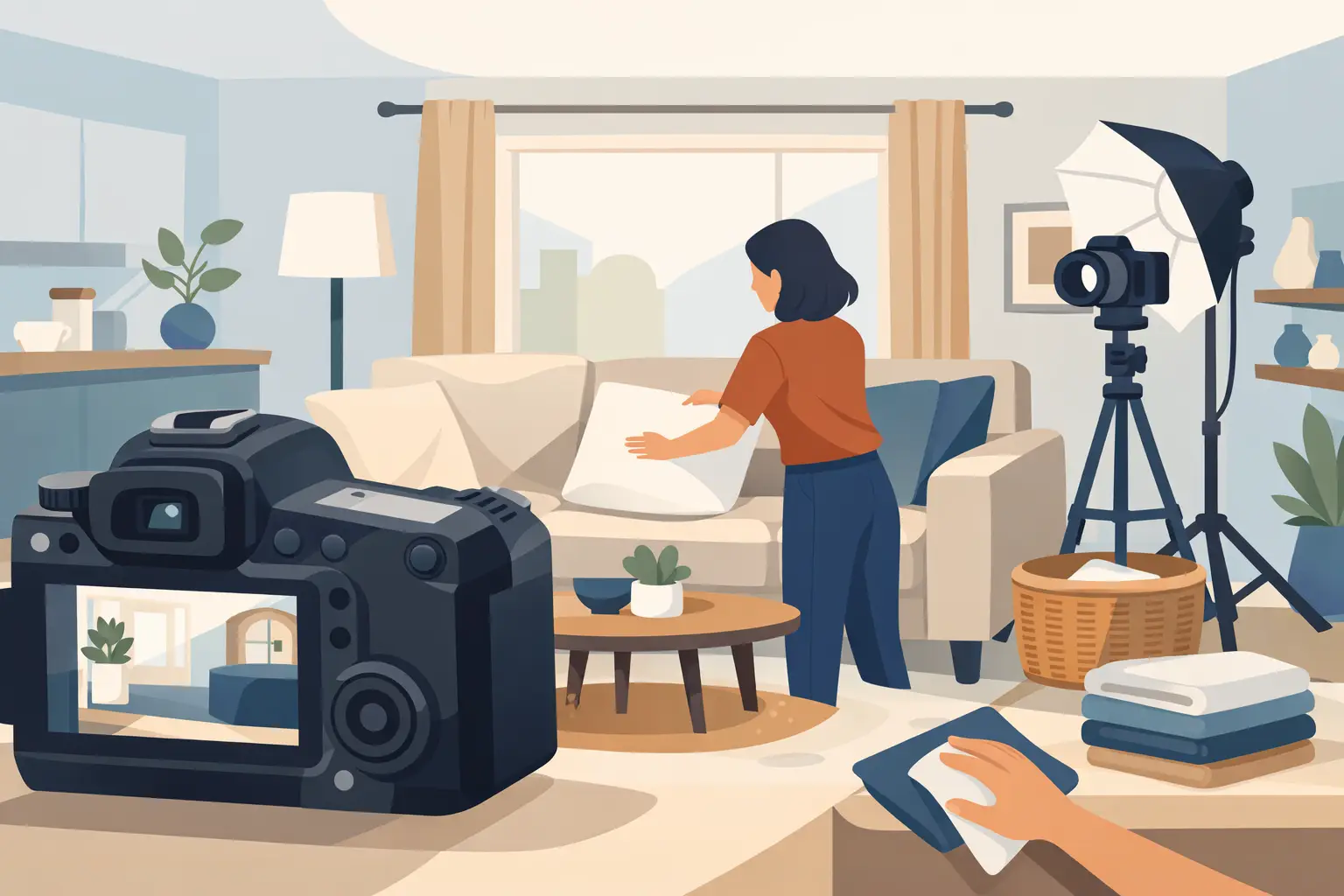
An occupied home can photograph beautifully, but it needs a plan. To prepare occupied homes for photography, agents need more than a quick request to “tidy up.” Homeowners need clear priorities that protect the appointment, reduce last-minute stress, and give buyers a clean read on the home’s space, condition, and best features.
Professional listing media is built to earn attention online. A crowded kitchen counter, a room full of pet supplies, or a driveway blocked by vehicles can pull attention away from the details buyers should be noticing. The goal is not to make a lived-in home look empty. It is to make it look cared for, spacious, and ready for its next owner.
Set Expectations Before the Shoot Is Booked
The best preparation happens before the photographer arrives. When you discuss photography with sellers, explain that the appointment is part of the marketing launch, not a quick errand between other tasks. Photos may be used across the MLS, social media, property websites, print materials, and advertising, so every visible room and exterior area matters.
Give homeowners a clear timeline. Ideally, cleaning and decluttering begin several days before the shoot, with final adjustments completed the night before. A same-day scramble often creates missed details: blinds left closed, bins at the curb, personal paperwork on a desk, or a bathroom that is clean but still full of daily products.
It also helps to clarify who needs to be out of the house. Sellers, children, guests, and pets should plan to leave for the appointment whenever possible. This gives the photographer room to work efficiently and prevents people from appearing in mirrors, windows, or exterior shots. For homes where someone must remain inside, establish a quiet place for them to wait and explain that room access will be needed throughout the shoot.
Prepare Occupied Homes for Photography With a Priority List
Not every seller has the time, budget, or physical ability to make every room look magazine-ready. That is fine. Focus first on the areas that carry the most weight in a buyer’s first impression: the front exterior, entry, kitchen, living room, primary bedroom, bathrooms, and outdoor living spaces.
Ask sellers to remove anything that reads as temporary, overly personal, or distracting. This includes stacks of mail, visible medications, family calendars, pet crates, charging cords, trash cans, laundry piles, cleaning products, and excess countertop appliances. A few intentional decor pieces can make a home feel warm. Too many small items make rooms feel smaller.
Use this simple principle: surfaces should look open, floors should look clear, and furniture should show how the room functions. If a dining room has become a storage area, clear enough space to show that it is a dining room. If a spare bedroom is used as an office, that is not a problem, but the setup should look purposeful and easy to understand.
Start With the Exterior
Buyers often decide whether to click based on the first image. Exterior prep has an outsized impact, especially in the Shenandoah Valley, where acreage, mountain views, porches, barns, long driveways, and outdoor space can be major selling points.
Have sellers move vehicles from the driveway and away from the front of the home. Put away hoses, tools, toys, bins, lawn equipment, and seasonal decorations. Mow if needed, sweep walkways and porches, and remove dead plants from containers. Fresh mulch and new flowers can help when appropriate, but basic cleanup usually matters more than adding decor.
For rural properties, consider what belongs in the frame beyond the house. Gates should be positioned neatly, outbuildings should have doors closed when possible, and trailers or equipment should be moved if they distract from the home. If the property’s setting is a selling feature, make sure decks, overlooks, and view corridors are clear.
Clear the Kitchen Without Making It Feel Bare
Kitchens are where occupied homes most often need editing. Sellers use them constantly, which means counters naturally collect coffee makers, air fryers, knife blocks, dish racks, papers, vitamins, and groceries. For photos, less is almost always better.
Leave only a few polished items out, such as a bowl of fruit, a simple plant, or a coordinated tray. Clear the refrigerator of magnets and papers. Remove dish soap, sponges, and cleaning bottles from the sink area. Empty the trash, put dishes away, and make sure under-cabinet lights are functioning if the home has them.
A fully empty kitchen can feel sterile, but a kitchen that looks like breakfast just ended can feel cramped. The right balance is clean, functional, and lightly styled.
Make Living Areas Feel Open and Intentional
Living rooms should show comfort without showing daily clutter. Straighten cushions, fold throws neatly, clear coffee tables, and reduce the number of decorative objects on shelves. Hide remotes, pet toys, blankets, and cords where possible.
Furniture placement matters. Sellers do not necessarily need to rent furniture or redesign the room, but they should make paths clear and avoid blocking windows, fireplaces, or architectural features. If oversized furniture overwhelms a small room, removing one extra chair or side table can make a meaningful difference.
Televisions are a judgment call. A dark screen is usually fine, but screens with bright images, paused shows, or visible cords can distract. Turn off screens and address cable clutter before the appointment.
Treat Bedrooms and Bathrooms Like Buyer Decision Areas
Bedrooms should feel restful and easy to understand. Make beds neatly, limit visible clothing, clear nightstands, and remove personal photos if they dominate the room. Under-bed storage, open closet doors, and overflowing hampers can all make a room appear short on storage.
Bathrooms need the most complete reset. Remove toothbrushes, razors, medications, scales, bath toys, used towels, and nearly empty product bottles. Close toilet lids, wipe mirrors, clean glass shower doors, and use fresh towels. A bathroom does not need elaborate styling. It needs to look clean, calm, and well maintained.
If a bathroom has poor lighting or dated finishes, preparation will not change the underlying condition. It can still prevent avoidable distractions and present the room honestly at its best.
Handle Pets, Personal Items, and Security Early
Pet owners need a specific plan, not a vague reminder. Pets should be off-site if possible. If that is not workable, they should be secured in a location that will not be photographed, then moved as rooms are completed. Remove food bowls, litter boxes, beds, crates, toys, and pet waste from the yard.
Personal and sensitive items deserve the same attention. Sellers should secure mail, financial documents, prescription bottles, valuables, firearms, and any items they do not want visible online. Agents should not assume that a photographer can identify every sensitive document in a home full of belongings. The homeowner is the best person to make those decisions before the appointment.
This is also the right time to check access. Make sure gates are unlocked, key boxes work, and any restricted areas are communicated in advance. For properties with detached garages, workshops, guest spaces, pools, or acreage, confirm which features should be photographed and whether special access is required.
Plan for Light, Weather, and Real Life
On shoot day, turn on interior lights, open blinds and curtains, and replace burned-out bulbs when possible. Daylight can make rooms feel inviting, but windows should be clean enough that they do not distract from the view. Sellers should avoid opening every blind if a neighboring house, unfinished yard, or cluttered side area is directly outside. It depends on what each window adds to the room.
Weather is another practical factor. Rain, snow, or a gray sky does not automatically mean a shoot must be rescheduled, but exterior presentation may change. Freshly cut grass can leave clippings on walkways. Wet decks can show footprints. High winds can scatter furniture cushions and yard items. A quick exterior check before the photographer arrives is worth the time.
For occupied homes, perfection is not the standard. Readiness is. A well-prepared home lets the photographer focus on the property’s layout, light, finishes, views, and lifestyle features instead of spending the appointment working around clutter or access issues.
Villa Views provides listing media designed to help agents present homes with confidence, from professional photography and aerial coverage to floor plans, virtual staging, and 3D virtual tours. Clear homeowner preparation helps every part of that media package work harder from the moment the listing goes live.
The most useful message to give sellers is simple: buyers should be able to picture their life in every room. Help them clear the visual noise before photo day, and the home has a stronger chance to earn the click that leads to a showing.
Listing photos that sell homes faster.
Professional real estate media with 24-hour delivery across Waynesboro, Staunton, and the Shenandoah Valley.
Book a Shoot