
Rental Portfolio Photography That Drives Bookings
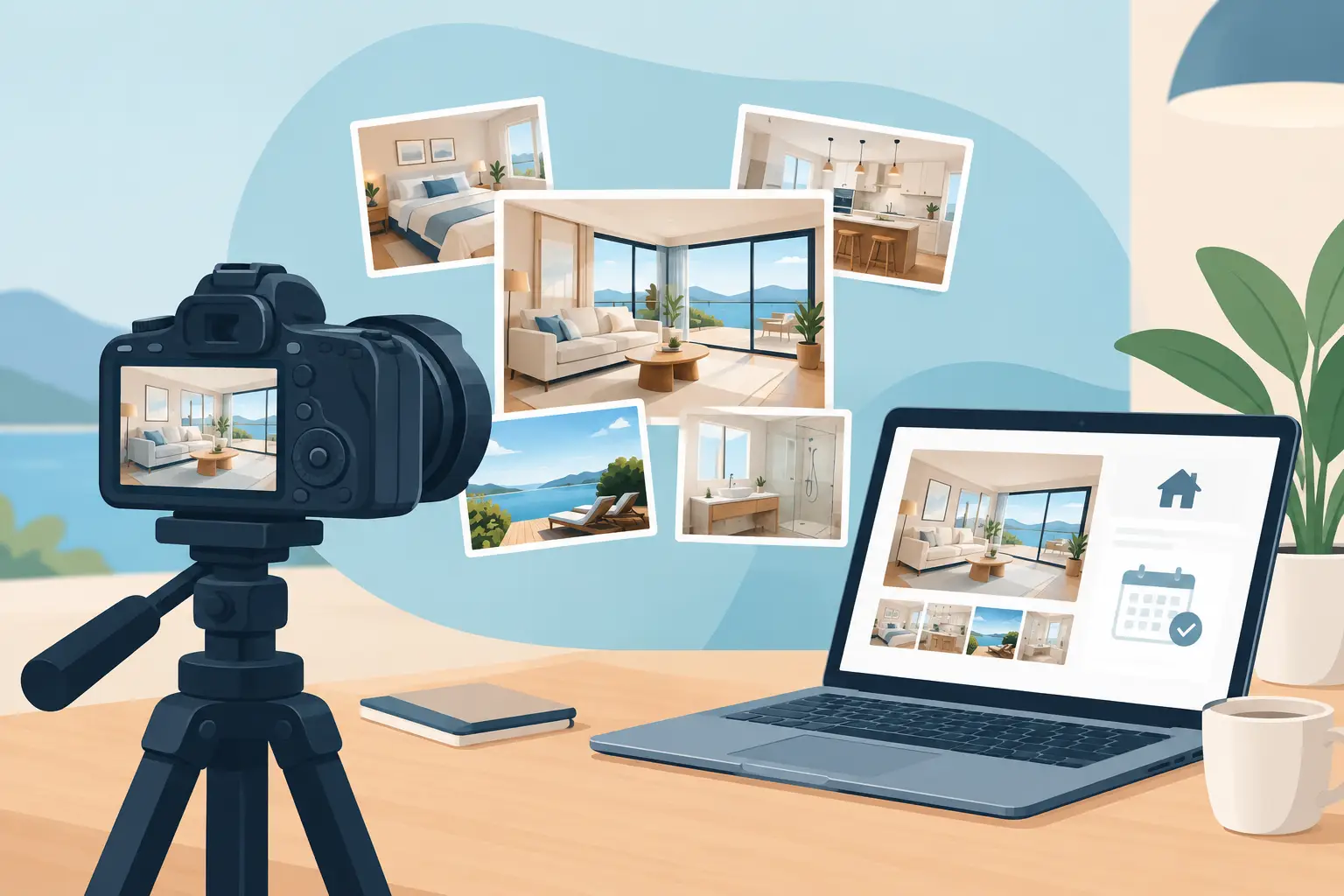
A guest can compare five rentals in less time than it takes to make coffee. If one property has dark phone photos, another has mixed image styles, and one presents every room clearly, the choice often starts there. Rental portfolio photography gives property managers and short-term rental hosts a repeatable way to make each property feel credible, bookable, and easy to understand before a guest ever asks a question.
For a portfolio, the goal is not to make every home look identical. It is to give every listing the same level of care, clarity, and polish while showing what makes that particular stay worth choosing. That consistency protects your brand across booking platforms and helps guests move from browsing to booking with fewer doubts.
Why portfolio consistency affects booking decisions
A single rental can get by on personality. A portfolio has to earn trust at scale. When guests see professional, well-lit images across several listings from the same host or management company, they get a clearer impression of how the properties will be maintained and how the stay will be handled.
That impression matters most online, where guests cannot test the water pressure, walk the grounds, or see whether the mountain view is truly visible from the deck. Photos carry much of that work. They show room flow, sleeping arrangements, outdoor features, parking access, gathering spaces, and the details that help a guest picture the stay.
In the Shenandoah Valley, that may mean showing more than the living room and kitchen. A long driveway, usable porch, fire pit, mountain outlook, acreage, creek access, or distance from neighboring homes can be part of the booking decision. Good visuals make those features easy to recognize without overselling them.
Consistency also makes portfolio management easier. When new properties are photographed to the same standard, your listings look connected even if one is a downtown apartment and another is a cabin outside town. That creates a stronger brand presence without hiding the differences guests need to see.
What rental portfolio photography should show
Rental images need to answer practical questions quickly. Guests want to know where they will sleep, cook, park, relax, and spend time together. The best photo set balances broad views with the specific features that justify the nightly rate.
Start with the spaces guests use most
The lead image should earn the click. Depending on the property, that may be a bright great room, a view from the deck, a distinctive exterior, or a pool and patio area. It should show the strongest reason to choose the property, not simply the first room inside the front door.
From there, the image sequence should make the layout feel logical. Show the main living area, kitchen, dining space, bedrooms, bathrooms, and meaningful exterior areas. Guests should not have to guess whether the dining table seats their group or whether the second bedroom is suitable for adults, children, or remote work.
Photograph amenities as proof, not filler
Amenities often separate one rental from another, but only when they are shown clearly. If a home offers a hot tub, game room, workspace, screened porch, EV charging, pet-friendly yard, or outdoor dining, include it in the visual story. A written amenity list helps, but a strong image makes the benefit immediate.
Avoid filling the gallery with decorative close-ups at the expense of useful information. A styled coffee station can add warmth, but it should not replace a clear photo of the kitchen. One or two detail images may support the mood. The core gallery should help guests understand the property.
Show the setting honestly
Rural and small-town rentals often win on setting. Aerial photography can be valuable when it shows acreage, privacy, proximity to trails, a large lot, or a location guests would struggle to understand from ground level. It is less useful when it adds visual drama but does not clarify anything about the stay.
The same standard applies to views. Photograph a mountain view, vineyard edge, or open pasture when it is genuinely available from the property. Do not imply a view belongs to the rental if it requires a drive or a hike to reach it. Accurate photography reduces disappointment and supports better guest expectations.
Build a repeatable media standard for every property
The fastest way to create uneven listings is to schedule media only when a property feels especially important. Every rental is a storefront for the portfolio. Set a baseline package that applies to each new listing, then add services based on the property’s strongest selling points.
For many portfolios, the baseline includes professional interior and exterior photography, plus a floor plan when layout and sleeping capacity are major decision factors. A 3D virtual tour can be especially helpful for larger homes, properties with unusual layouts, or rentals designed for groups who need to confirm bedrooms, bathrooms, and common areas before booking.
Add drone photography or video when the land, setting, approach, or outdoor amenities are a real part of the value. Add twilight images when the property has exterior lighting, a pool, a fire feature, or a welcoming evening atmosphere that will translate well online. Virtual staging can help when an empty property needs context, but it should be used carefully and disclosed where platform rules require it.
The right mix depends on the property. A compact, well-furnished rental near restaurants may need excellent interior photography and a clean floor plan more than aerial coverage. A secluded house on several acres may benefit from photography, aerial images, and video that explain the setting. The point is to use media that answers the guest’s buying questions, not to add services simply because they are available.
Prepare properties for fast, reliable shoots
Professional photography cannot compensate for a rushed turnover or a property that is not guest-ready. The home should be cleaned, staged, and fully functional before the appointment. Treat the shoot as a quality-control checkpoint for the listing, not just a marketing task.
Turn on interior and exterior lights that are intended for guest use, replace burned-out bulbs, and make sure every room is accessible. Remove cleaning supplies, maintenance items, cords, personal paperwork, extra remotes, and temporary signage. Straighten bedding, fluff towels, clear counters, and set outdoor furniture as though guests are arriving that afternoon.
For occupied rentals, schedule thoughtfully. A vacant window between stays is ideal because it minimizes disruption and allows time for final touches. If that is not possible, give the photographer a clear access plan and ensure the property is ready before arrival. Last-minute rearranging costs time and can leave important spaces undocumented.
A home prep checklist keeps this process consistent across cleaning teams, owners, and co-hosts. It also reduces the back-and-forth that slows down new listing launches.
Keep galleries current as the property changes
Portfolio photography is not a one-time expense. It is an asset that needs occasional maintenance. Refresh photos when you renovate a kitchen or bath, replace furniture, add a major amenity, improve outdoor spaces, or change the property’s guest positioning.
Seasonal updates can also make sense, especially for properties where fall color, pool season, ski access, or outdoor entertaining changes the booking appeal. That does not mean you need a complete reshoot every season. A targeted update can be enough when the core interior gallery remains accurate.
Review your listings from the guest’s perspective at least a few times a year. Are the photos current? Does the first image still represent the strongest hook? Are there new amenities that appear in the description but nowhere in the gallery? Is a photo showing furniture or features guests will no longer find? Keeping images aligned with reality protects reviews and reduces pre-booking questions.
Choose a media partner built for repeat work
Portfolio work depends on more than attractive images. You need predictable scheduling, a clear prep process, consistent visual standards, and delivery that keeps new listings moving. For managers handling several properties, the best partner is one who makes the process easier on your team.
Villa Views works with property managers and short-term rental hosts who need polished listing media without a complicated production process. Online booking, clear service options, and a 24-hour turnaround for core photography help keep launches and refreshes on schedule.
Your rental portfolio is being judged one thumbnail at a time. Give every property a presentation that makes the next click feel like the right choice.
Listing photos that sell homes faster.
Professional real estate media with 24-hour delivery across Waynesboro, Staunton, and the Shenandoah Valley.
Book a Shoot