
A Virtual Staging Success Story for Your Listing
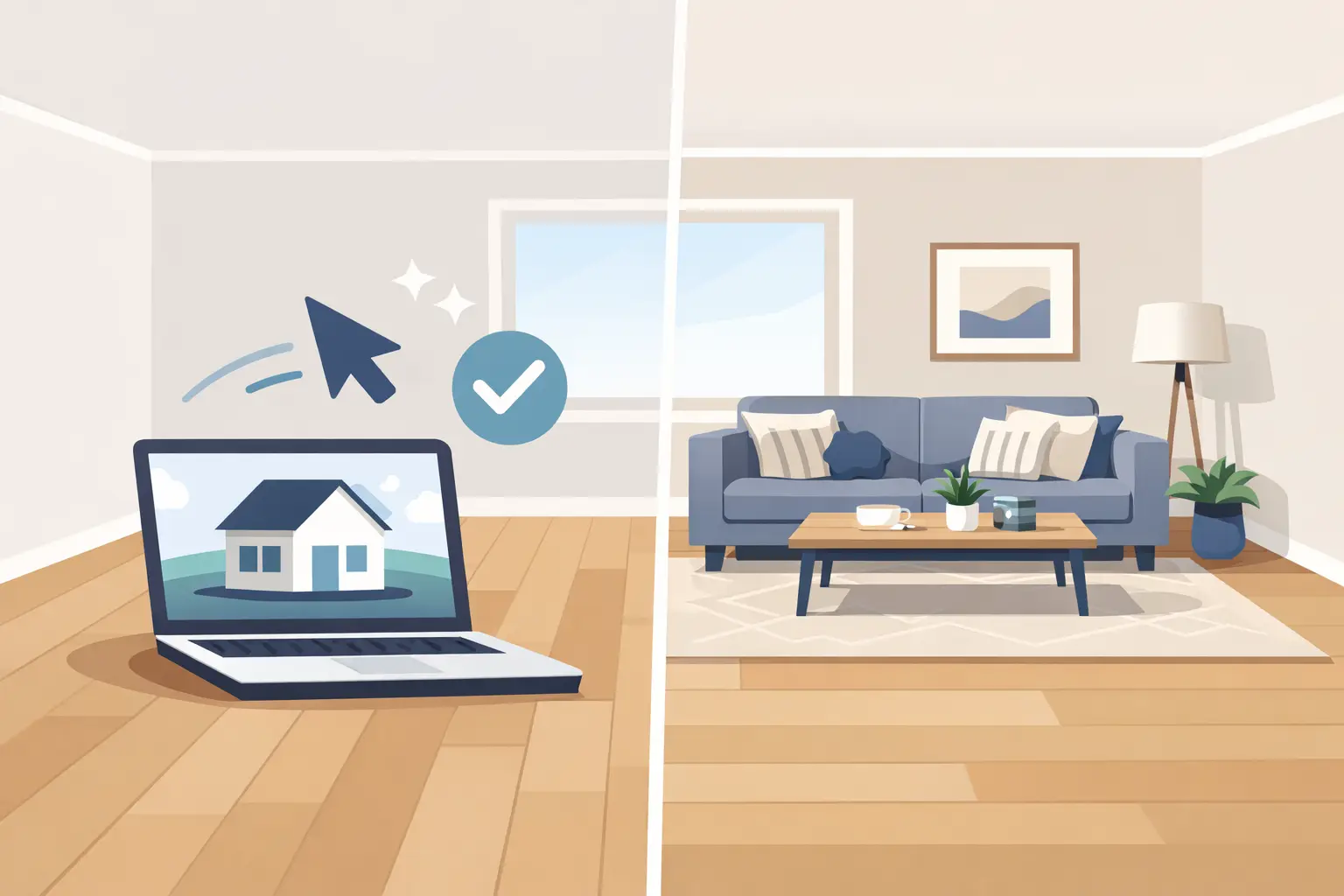
An empty living room does not give buyers much to work with. They may see square footage, windows, and a fireplace, but they still have to imagine where the sofa goes, whether a dining table fits, and how the room supports the life they want. That extra mental work can cost a listing attention online. A virtual staging success story for a listing starts by removing that friction while staying honest about what the buyer is seeing.
Virtual staging is not about making a property look like something it is not. Used well, it is a practical marketing decision: present vacant rooms with a clear purpose, make the online listing easier to understand, and give buyers a stronger reason to book a showing. For Shenandoah Valley agents, that can matter just as much in a newer townhome as it does in a rural home with an open floor plan, a long driveway, or a view that deserves to be part of the buyer’s first impression.
What Makes a Virtual Staging Success Story Listing-Worthy
The best virtual staging supports the actual property. It does not distract from it.
A buyer should be able to look at a staged image and immediately understand the room’s scale, layout, and likely use. A modest bedroom should feel like a modest bedroom. A narrow dining area should not be filled with furniture that could never fit. The goal is not to create a fantasy. The goal is to answer the question buyers ask while scrolling: “Could I live here?”
That is why room selection matters more than staging every empty space. A vacant primary living room, dining space, owner’s suite, or finished basement often benefits most because each room has a clear job in the buyer’s decision. A laundry room, small hallway, or unfinished storage area usually does not need digital furniture to make its point.
When the property is occupied but cluttered, virtual staging may not be the right first move. Cleaning, decluttering, and professional photography often deliver a more credible presentation. Virtual staging is strongest when the room is empty, lightly furnished, or clearly hard to visualize.
Start With the Listing Strategy, Not the Furniture
Before selecting a furniture style, decide what the listing needs to communicate. Every property has a selling angle, and the staged rooms should reinforce it.
For a starter home, the priority may be proving that the main living area can function comfortably for everyday life. For a larger home, buyers may need help understanding how an oversized bonus room, basement, or flex space could be used. In a vacation-oriented property, the images may need to show gathering space, sleeping capacity, or an inviting place to unwind after a day in the mountains.
A good question to ask is simple: Which empty room is most likely to make a buyer hesitate? Stage that room first.
This approach also helps keep the final photo set focused. Too many staged images can dilute the effect, especially if the property already has strong features such as natural light, hardwood floors, a renovated kitchen, acreage, or mountain views. Use virtual staging to clarify the story, not to compete with the story.
Match the style to the buyer and the home
Furniture choices set expectations. A clean, transitional look works well for many listings because it feels current without becoming too specific. A farmhouse-inspired approach may suit a rural property with the right architecture and finishes. A more contemporary style can help a newer build feel polished and intentional.
The trade-off is personality. Highly distinctive furniture may be memorable, but it can also narrow the buyer’s imagination or clash with the house. Neutral does not have to mean bland. It means the staging should let the room, light, and layout lead.
Avoid staging that fights the property’s character. A compact cottage does not need oversized luxury furnishings. A traditional home should not suddenly read as an ultra-modern loft. Buyers notice when the visual story feels off, even if they cannot explain why.
Keep the Marketing Honest and Easy to Understand
Virtual staging works because it shows potential, but credibility still comes first. Clearly identify virtually staged images in the listing materials according to local MLS rules and brokerage guidance. The buyer should never arrive at a showing surprised that furniture, decor, or a room setup was digital.
That transparency protects more than compliance. It protects the momentum you created online. Buyers are comfortable with virtual staging when it helps them understand an empty home. They are less forgiving when a listing image appears to conceal a condition issue, change a permanent feature, or overstate what the property offers.
The line is straightforward: virtual staging can add removable furnishings and decor. It should not alter walls, flooring, windows, fixtures, views, or the condition of the home. If the carpet is worn, show it. If a room is awkward, represent it accurately. Strong marketing brings the right buyers through the door. It should not set up the wrong expectations.
Build a Photo Set That Moves Buyers Forward
A staged image has more impact when it appears within a well-planned full listing package. Professional photography establishes the property’s overall condition and key features. Drone imagery can provide essential context for acreage, setting, access, and nearby surroundings when those details add value. Floor plans help buyers understand flow and dimensions. A 3D virtual tour gives serious prospects another way to evaluate the space before they schedule.
Not every listing needs every service. A small condo may need excellent interior photography, a floor plan, and virtual staging in the main room. A rural property outside Waynesboro may benefit from aerial coverage that shows land, outbuildings, and the approach to the home, while staging makes an empty interior feel more approachable.
The point is to make each media choice earn its place. Buyers should move from the lead photo to the gallery, then from the gallery to a showing request with fewer unanswered questions.
Use the staged image where it has a job to do
The first listing photo is valuable real estate. Sometimes a virtually staged living room deserves that position, especially when it is the clearest expression of the home’s lifestyle. Other times, the exterior, kitchen, view, or pool is the stronger lead image. Choose the photo that gives buyers the best reason to keep looking.
Within the gallery, place staged rooms near their unstaged counterparts when your MLS and marketing approach allow it. This can reinforce transparency while helping buyers see both the actual space and its potential. It also prevents the gallery from feeling inconsistent.
Do not rely on a staged living room to carry weak photography elsewhere. Bright, straight, accurately exposed images remain the foundation. Virtual staging is the supporting advantage, not a substitute for preparation or professional visual coverage.
Prepare the Property Before the Shoot
Digital furniture cannot fix a room that has not been prepared. Empty rooms should be clean, floors clear, blinds positioned intentionally, and lights working. Remove leftover moving boxes, tools, cleaning supplies, and temporary items. These details are easy to overlook in a vacant house, but they signal whether the home is ready for buyers.
Occupied homes need a different decision. If the existing furniture is clean, proportional, and supports the room, keep it. If it is distracting or makes a room look smaller, consider physical decluttering before the shoot. Virtual staging is typically most efficient when there is a clean, open canvas.
Also think beyond the interior. An empty home can feel especially stark if the exterior photos show an unmaintained entry, overgrown landscaping, or a driveway full of debris. Buyers form an impression across the entire gallery. Consistency matters.
Make Virtual Staging Part of Your Listing Presentation
For agents, virtual staging is also a practical listing appointment tool. It shows sellers that you have a plan for a vacant home beyond posting empty-room photos and hoping buyers can visualize the possibilities. That matters when you are competing for a listing against agents who offer only the basics.
Set expectations early. Explain which rooms you recommend staging, why those rooms matter, and how staged images will be disclosed. If the seller is deciding between moving out before launch or listing while the home is sparsely furnished, this conversation can help them understand the marketing options.
Operational speed matters, too. A marketing plan only helps if it can be scheduled, produced, and delivered without slowing down the launch. Villa Views gives agents a straightforward way to book listing media and build the package around the property, whether that means photography alone or a more complete visual plan.
The most useful virtual staging does one thing well: it helps buyers see the life a room can support. Choose the rooms that need that help, keep the presentation truthful, and let the property make the case once buyers step inside.
Listing photos that sell homes faster.
Professional real estate media with 24-hour delivery across Waynesboro, Staunton, and the Shenandoah Valley.
Book a Shoot